Precautions to take to look after your gemstones
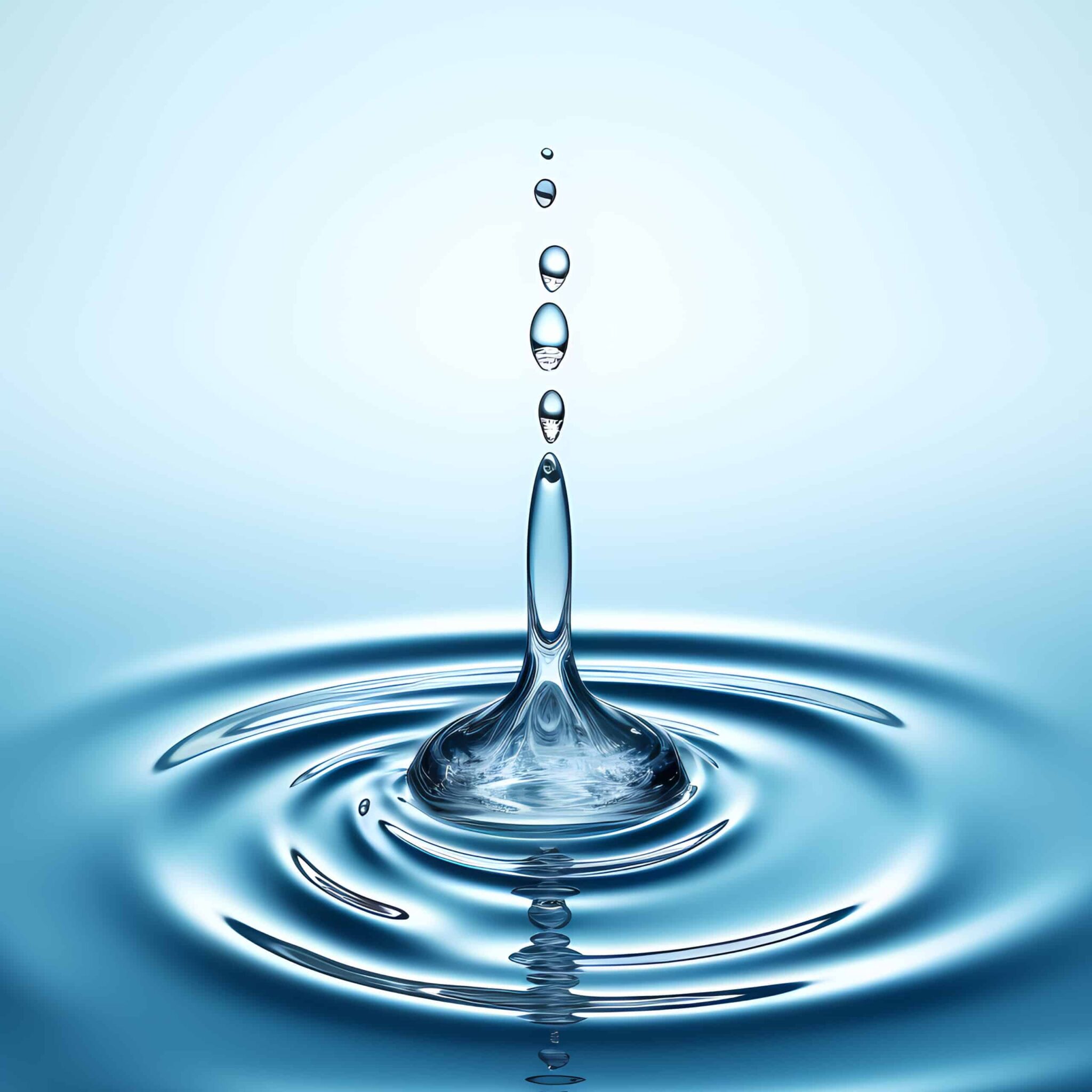
Want to cleanse or clean your stone? The first instinct is often to hold it under the tap, but for some stones, that’s a real mistake! Water may be a symbol of purity, but it can also damage minerals: faded colours, dulled surfaces, cracks or gradual dissolution. Depending on their chemical make-up, how they formed or their structure, quite a few stones don’t cope well with water. Here’s our selection of 10 delicate stones to keep dry, along with our advice on how to clean and cleanse them safely.
1. Selenite: The stone that dissolves
Selenite is a crystalline variety of gypsum, a hydrated calcium sulphate formed by the evaporation of salt water. It is slightly soluble in water: prolonged contact dulls its satiny lustre, and repeated soaking eventually breaks down its layered structure. With a hardness of just 2 on the Mohs scale, it’s also very soft: a fingernail can scratch it.

Cleaning and purifying selenite
Clean it dry with a soft brush or a microfibre cloth, and keep it away from humidity: even a poorly ventilated room can damage it over time. The good news is that, according to crystal healing, it’s one of the few stones that never needs cleansing, and it can even be used to recharge your other crystals.
2. Malachite: Copper carbonate that tarnishes
Malachite is a copper carbonate, formed when copper deposits are altered by water rich in carbon dioxide. Soft (3.5 to 4 on the Mohs scale), it doesn’t cope well with prolonged contact with water, which dulls its polish and leaves it looking matt and chalky. Acids and household cleaners are even worse, attacking it quickly. It also contains copper, so water it has soaked in must never be drunk.

Cleaning and purifying malachite
Gently wipe it with a microfibre cloth, without water or chemicals. Never make an elixir with this stone, as copper is toxic if swallowed. To cleanse it, choose the Flower of Life, a quartz cluster, smoke cleansing or the indirect salt method. Avoid heat and long periods in the sun.
3. Pyrite: “Pyrite disease”
Pyrite, nicknamed “fool’s gold”, is an iron sulphide. In contact with water or damp air, it can slowly oxidise, turning into iron oxides and hydroxides such as limonite or goethite, and releasing sulphuric acid that eats away at it from within. This is known as “pyrite disease”: the stone loses its golden lustre, develops rust stains and eventually crumbles. Not all pyrite is equally affected, but once the process has started, it can’t be reversed.

Cleaning and purifying pyrite
Keep it dry: avoid cellars and poorly ventilated rooms, where humidity alone is enough to trigger oxidation. Clean it only with a soft-bristled brush or a dry cloth. Rust-coloured spots on the surface mean the damage has already set in. To cleanse it, use palo santo, the Flower of Life or the indirect salt method: place it in an empty glass, then stand the glass in a bowl of coarse salt. It’s one of the few stones on this list that enjoys the sun: one to two hours in the morning is enough.
4. Azurite-malachite: a fragile duo
Azurite-malachite combines two copper carbonates: deep blue azurite and vivid green malachite. They form together as copper deposits weather, and azurite, the less stable of the two, naturally turns into malachite over geological time. With a hardness of 3.5 to 4 on the Mohs scale, the stone is soft and sensitive: humidity dulls its polish, heat can darken its blue areas, and acids attack it quickly.

Cleaning and purifying azurite-malachite
Wipe it only with a dry microfibre cloth, and store it in a closed box, away from direct light and humidity. As it contains copper, never make an elixir with it. To cleanse it, choose the Flower of Life, a quartz cluster, smoke cleansing or the indirect salt method. Avoid prolonged direct sunlight and recharge it by moonlight instead, but indoors only, as dew could damage it.
5. The Opal: The water-filled mineraloid
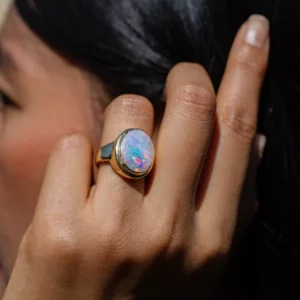
Opal naturally contains between 3 and 21 per cent water, trapped within its structure. It isn’t a mineral in the strict sense, but an amorphous hydrated silica, classed as a mineraloid, like obsidian, amber or tektite. This water is the source of both its beauty and its fragility: if opal dries out or goes through sudden changes in temperature, irreversible micro-cracks can appear, a phenomenon known as crazing. Hydrophane opals, such as Welo opals from Ethiopia, also absorb any water they come into contact with: they temporarily turn transparent and lose their play of colour, which usually returns once they’re dry, though this isn’t guaranteed.

Cleaning and purifying opal
Wipe it gently with a soft, dry cloth, and never soak it. Store it somewhere with a stable temperature and normal humidity, away from heat and direct sunlight. To cleanse it, choose the Flower of Life, moonlight or the indirect salt method. For more advice, see our practical guide to caring for opal jewellery.
6. Angelite: The stone without water
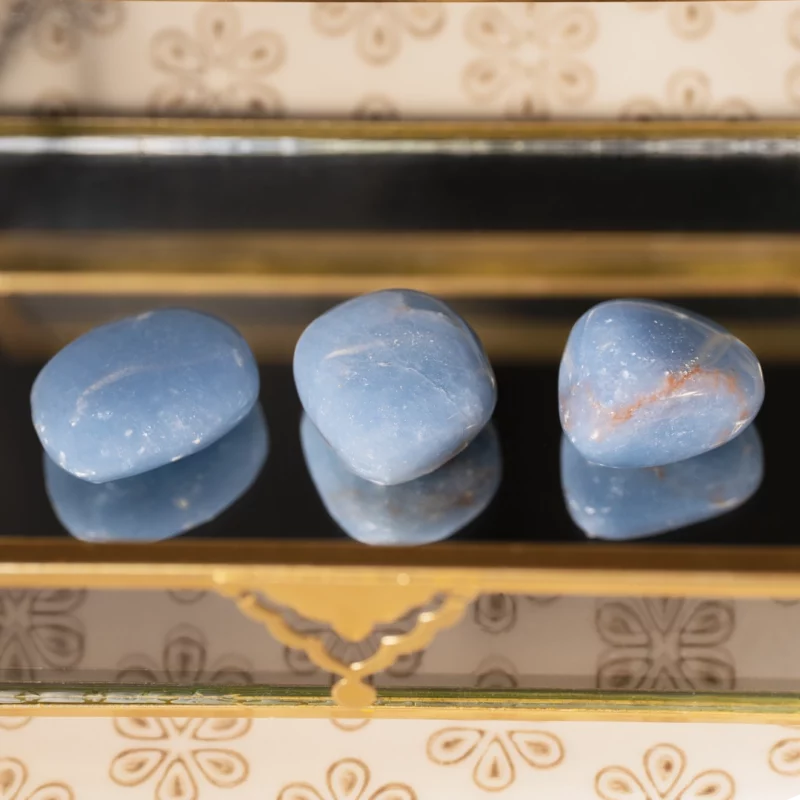
Angélite, is a blue variety of anhydrite, a calcium sulphate formed by intense evaporation in salt lagoons. Its own name evokes angels, but it’s the name “anhydrite” that reveals its fragility: it comes from the Greek anhudros, meaning “without water”. Its structure contains no water molecules at all, which makes it highly sensitive to moisture. With prolonged contact, angelite absorbs water and slowly turns into gypsum. This change increases its volume and breaks its structure apart: the stone becomes porous, matt and crumbly, and permanently loses its lovely bluish colour.
Cleaning and purifying angelite
Dust it dry with a soft brush. Even the steam in a bathroom could damage it over time, so avoid keeping it in a damp room, and store it in its own pouch. To cleanse it, choose smoke cleansing, the Flower of Life or the indirect salt method, and recharge it under the full moon.
7. Chrysocolla: A porous stone
Chrysocolla is a hydrated copper silicate. It isn’t a mineral with a rigid crystal lattice: its structure, often amorphous, is highly porous and naturally contains water. It is often found with silica or malachite. This porosity makes it very sensitive to liquids: prolonged soaking or contact with household cleaners upsets its balance, dulls its blue-green hues and can cause micro-cracks. Like malachite, it contains copper, which makes the soaking water dangerous if swallowed.
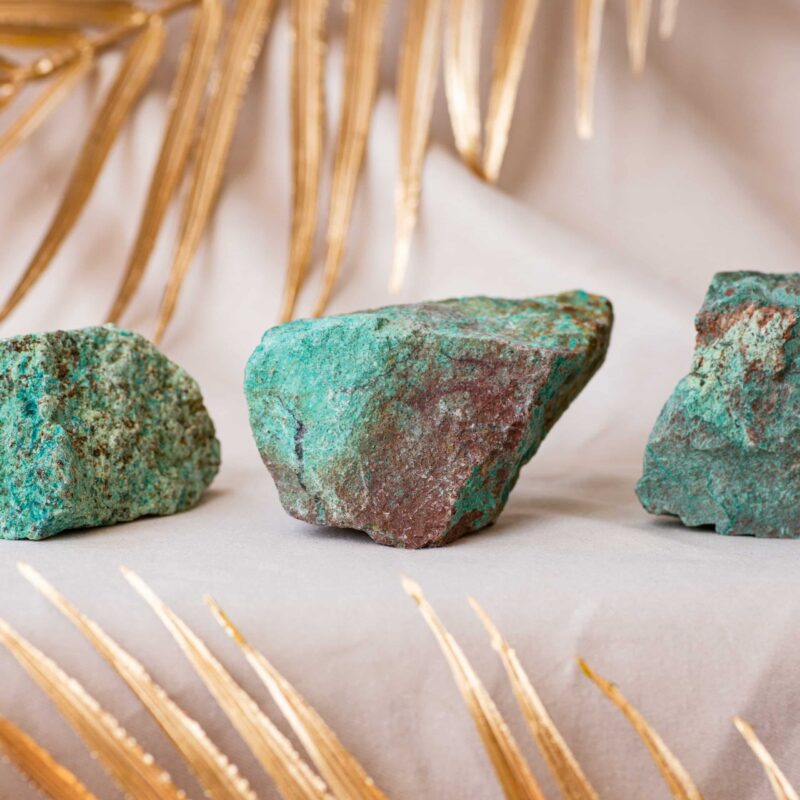
Cleaning and purifying chrysocolla
Use a dry microfibre cloth only. Never make an elixir with this stone, and store it in its own pouch. To cleanse it, choose smoke cleansing, a quartz cluster, the Flower of Life or the indirect salt method, and recharge it by moonlight.
8. Turquoise: A real sponge
Turquoise is a hydrated copper aluminium phosphate, with a naturally very porous microcrystalline structure. If it stays wet for long, it absorbs not only water but also any oils, cosmetics or soap dissolved in it. These can permanently turn its sky-blue colour a dull green, while weakening the stone. With a hardness of 5 to 6 on the Mohs scale, it remains delicate, so protect it from knocks and scratches.
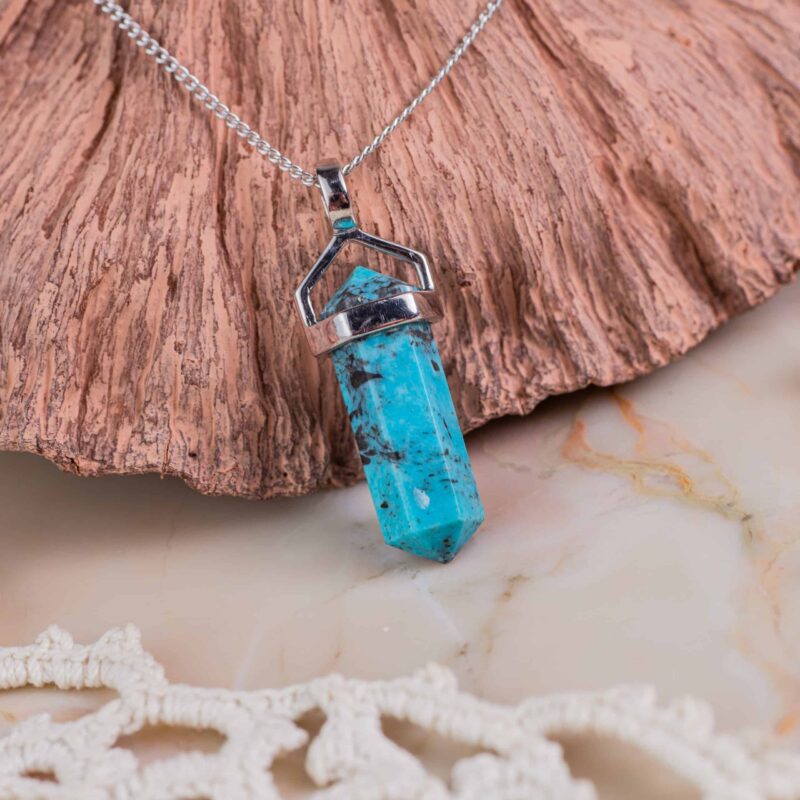
Cleaning and purifying turquoise
Use a dry microfibre cloth only, and take off your jewellery before applying perfume, cream or oil: turquoise absorbs them just as readily as water, with the same irreversible effect. Stabilised turquoise is slightly more resistant, but not waterproof. Also avoid heat and prolonged sunlight, which can dry it out. To cleanse it, choose smoke cleansing, a quartz cluster, the Flower of Life or the indirect salt method, and recharge it by moonlight.
9. Lapis lazuli: A mixed rock
Lapis lazuli isn’t a mineral but a metamorphic rock formed in marble. It is made up mainly of lazurite, which gives it its blue colour, calcite, which forms the white veins, and pyrite, which creates its golden flecks. This mixed composition makes it vulnerable in several ways. Calcite is attacked by acids, even weak ones, which dulls the surface and weakens the rock. As we saw with pyrite, humidity can oxidise its golden inclusions and leave rust stains. And in contact with acid, lazurite breaks down, giving off a smell of rotten eggs. With a hardness of 5 to 5.5 on the Mohs scale, lapis lazuli is also fairly prone to knocks.
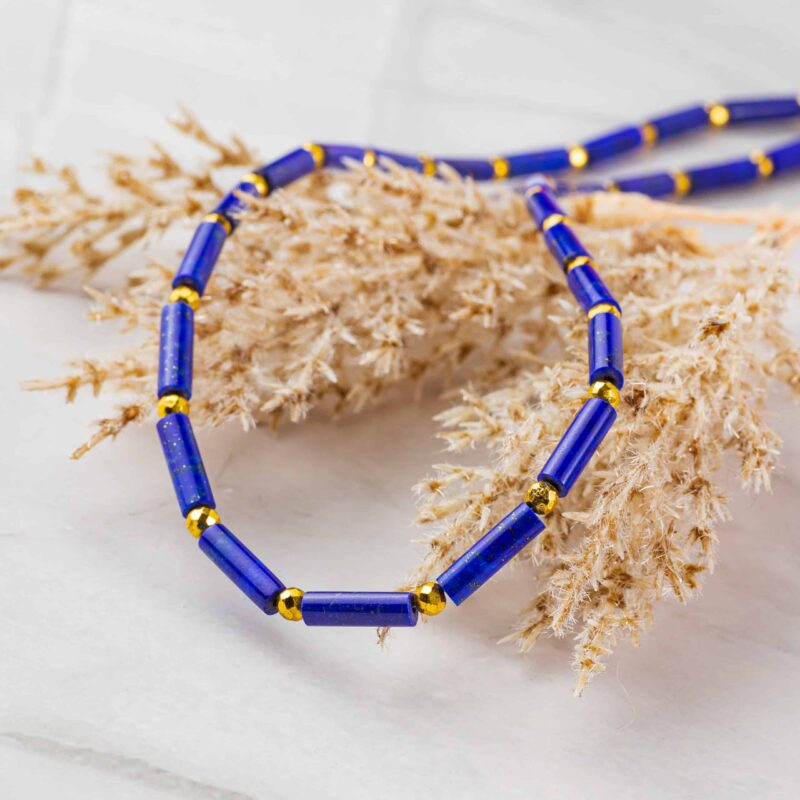
Cleaning and purifying lapis lazuli
Use a dry microfibre cloth only, with no chemicals. Take off your jewellery before sport or applying cosmetics: sweat and acidic lotions gradually attack the stone. To cleanse it, choose smoke cleansing, the Flower of Life or the indirect salt method, and recharge it by moonlight.
10. La Fluorite: the stone that fears thermal shock
Fluorite is a calcium fluoride, famous for its wide range of colours and its cubic or octahedral crystals. It barely dissolves in water, but prolonged soaking can dull its polish. Its real weakness is thermal shock: hot or even lukewarm water creates internal stresses that can make the stone split along its cleavage planes. With a hardness of only 4 on the Mohs scale, it’s also very soft and scratches easily.
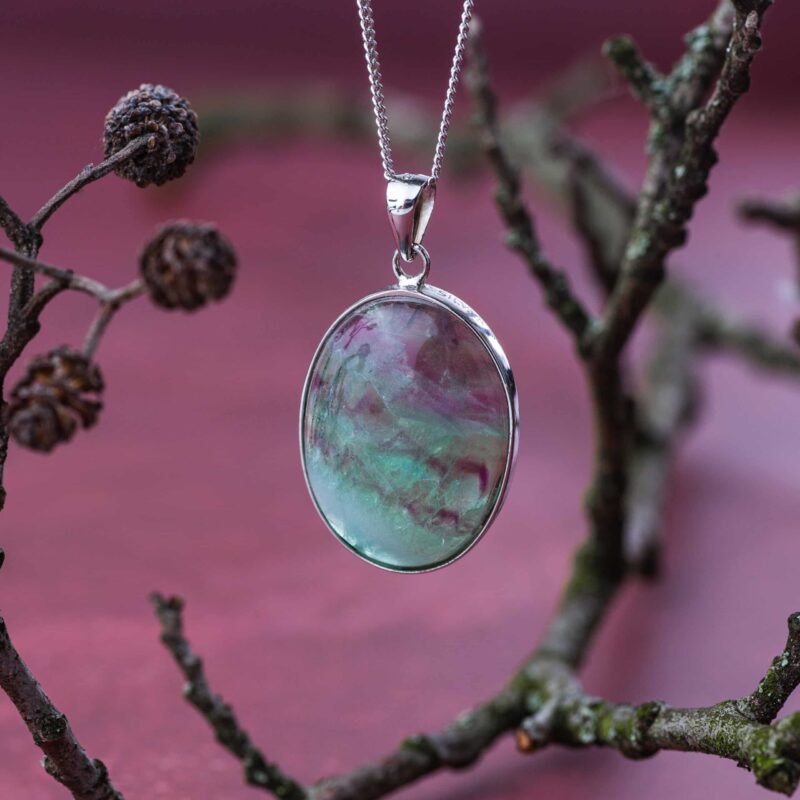
Cleaning and purifying fluorite
Use a dry microfibre cloth only, and never water, not even lukewarm: thermal shock can crack it, sometimes without the damage showing straight away. To cleanse it, choose gentle smoke cleansing, an amethyst cluster or the indirect salt method, and recharge it by moonlight only. It’s one of the most sun-sensitive stones in this selection: its colours can fade.
Summary table
| Stone | Effect of water | Specific risk | Recommended care |
|---|---|---|---|
| Selenite | Dulled lustre, slow dissolution if soaked | Very soft | Dry cloth or soft brush |
| Malachite | Dulled polish | Toxic copper, sensitive to acids | Dry microfibre cloth |
| Pyrite | Oxidation and rust stains | Humidity alone is enough | Soft brush, store somewhere dry |
| Azurite-malachite | Dulled polish | Toxic copper, sensitive to heat | Dry cloth, closed box |
| Opal | Play of colour affected (hydrophane opals) | Also sensitive to drying out | Soft, dry cloth |
| Angelite | Turns into gypsum | Even steam can harm it | Soft dry brush |
| Chrysocolla | Dulled colours, micro-cracks | Toxic copper | Dry microfibre cloth |
| Turquoise | Absorption, colour change | Perfumes and creams too | Dry cloth, remove before cosmetics |
| Lapis lazuli | Oxidised pyrite, calcite attacked by acids | Very sensitive to acids | Dry cloth, no chemicals |
| Fluorite | Dulled polish | Thermal shock, even with lukewarm water | Dry microfibre cloth |