Lapis Lazuli Stones & Jewellery
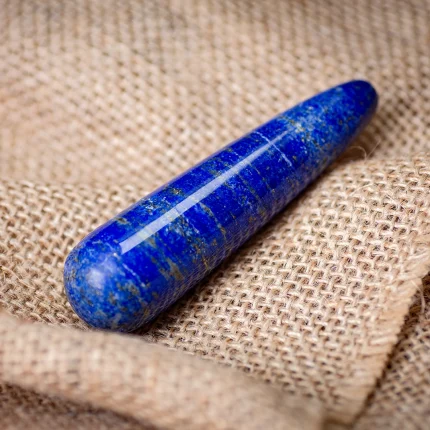
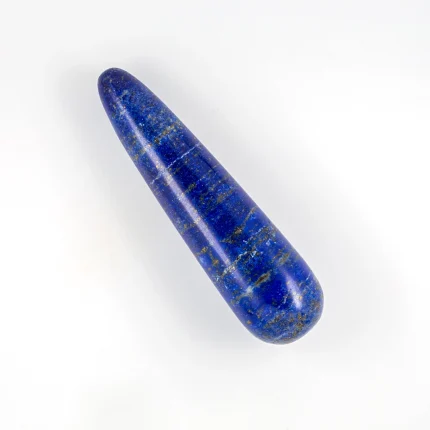
Discover our collection of lapis lazuli! This semi-precious stone reveals a deep blue colour sprinkled with golden pyrite, like a starry night sky. A symbol of wisdom, truth and spiritual power, lapis lazuli has been prized since ancient times for its soothing, clarifying energy. Our selection includes jewellery, rough stones and carvings.
By Price
Intention:
- Clairvoyance 25
- Communication 23
- Confidence 23
- Intuition 25
- Letting go 2
- Protection 2
- Spirituality 2
- Wisdom 23
Materials:
Showing all 25 results
Lapis Lazuli Point Pendant, 28mm
CHF 95 – CHF 124Price range: CHF 95 through CHF 124Lapis Lazuli Point Pendant, 45mm
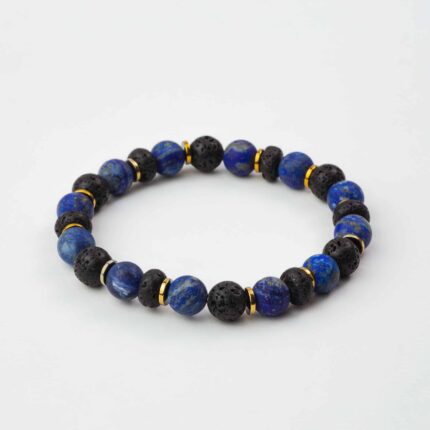
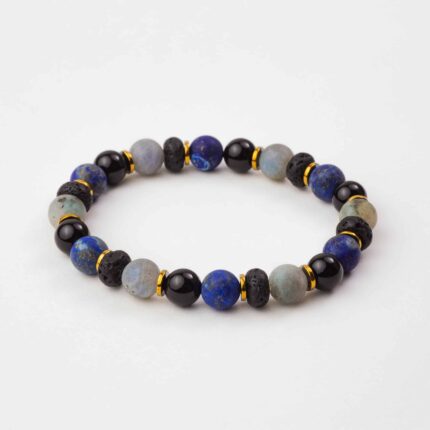
CHF 95 – CHF 124Price range: CHF 95 through CHF 124Lapis Lazuli Bracelet, 6mm
CHF 65 – CHF 69Price range: CHF 65 through CHF 69Lapis Lazuli Bracelet, 8mm
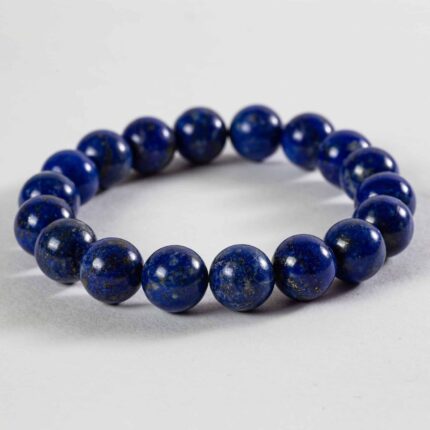
CHF 75 – CHF 79Price range: CHF 75 through CHF 79Lapis Lazuli Bracelet, 10mm
CHF 95 – CHF 105Price range: CHF 95 through CHF 105Discover our other gemstones
With its deep blue colour flecked with gold, lapis lazuli has fascinated people for more than 6,000 years, from the pharaohs of Egypt to the painters of the Renaissance. Below, discover where it comes from, what it symbolises, its crystal healing properties and how to care for it.
Origin of Lapis Lazuli
The name lapis lazuli comes from the Latin lapis, meaning ‘stone’, and the Arabic lāzaward, from the Persian word for blue. The stone is renowned for its deep blue colour, flecked with golden pyrite. It forms mainly in calcite-rich metamorphic rocks such as marble. The most famous deposits are in the Badakhshan region of Afghanistan, which has been mined for over 6,000 years, and it is also found in Chile, Russia, Pakistan and Italy.
History and Symbolism of Lapis Lazuli
With its deep blue colour scattered with golden flecks, like a starry night sky, lapis lazuli has fascinated people for millennia. In Mesopotamia, it was associated with celestial deities and royalty, and the Sumerians believed it protected the soul and strengthened the connection with the divine.
In ancient Egypt, it adorned the funerary jewellery of the pharaohs, and priests used it in their rituals to invoke the gods. Temple ceilings were painted blue to evoke the heavens, and legend has it that ground lapis lazuli was even worn as eye shadow.
The Greeks and Romans carved it into cameos and intaglios. In the Middle Ages and the Renaissance, it was ground to produce the precious ultramarine blue pigment, worth more than gold and reserved for the most important religious and royal works – often for the robes of the Virgin Mary. This colour brought to life masterpieces from Raphael’s Madonnas to Michelangelo’s Last Judgement in the Sistine Chapel.
Its symbolism has barely changed over the centuries: in crystal healing, lapis lazuli is still regarded as a stone of clairvoyance and spiritual growth. And natural lapis lazuli pigments are still used by painters and restorers today!
Crystal Healing Properties of Lapis Lazuli
Lapis lazuli is prized for its soothing energy and its ability to encourage communication and spiritual clarity. Associated with wisdom and intuition, it supports anyone seeking emotional balance and spiritual harmony.
Emotional Balance
-
Calming: Lapis lazuli is renowned for easing anxiety and reducing stress, bringing a sense of inner calm. Wearing it can help you move past negative emotions, regain serenity and take back control of your life.
-
Self-Confidence: It boosts self-confidence and encourages you to express your feelings, helping to release emotional blockages and strengthen your relationships by sharing your emotions calmly.
Physical Wellbeing
-
Stress Relief: In crystal healing, lapis lazuli is associated with relieving headaches and physical tension thanks to its soothing, balancing energy. It is also said to support the immune system and the respiratory system, particularly the throat.
Spiritual Harmony
-
Clairvoyance: Lapis lazuli opens the third eye, enhancing intuition and psychic abilities – ideal for meditation and spiritual exploration.
-
Alignment: It supports the search for inner truth, helping you align your thoughts and actions with your core values.
Lapis Lazuli and the Chakras
| Third Eye Chakra (Ajna) | Lapis lazuli is closely linked to the third eye chakra, the seat of intuition and inner vision. By stimulating this chakra, it brings greater mental clarity, heightened intuition and deep spiritual understanding, helping you develop self-awareness and access higher states of mind. |
| Throat Chakra (Vishuddha) | It acts directly on the throat chakra, the centre of communication and self-expression. By balancing this chakra, it helps you overcome the fear of speaking out and encourages clear, sincere communication – ideal for expressing your ideas with confidence and authenticity. |
Which Stones Go Well with Lapis Lazuli?
Combining stones is a lovely way to deepen your crystal healing practice. Here are a few of our favourite pairings for lapis lazuli.
-
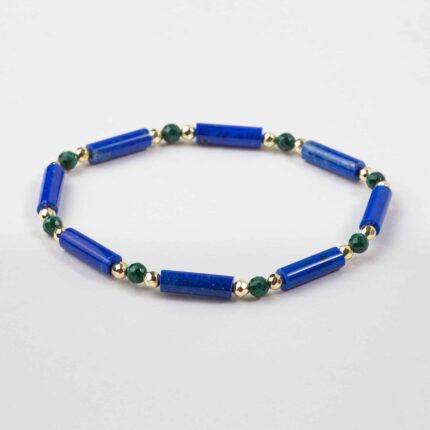
Lapis Lazuli & Malachite: An ideal pairing for working on your emotions while exploring your spiritual path. Malachite acts as a catalyst, releasing emotional blockages and encouraging inner transformation by breaking the patterns that hold you back.
-
Lapis Lazuli & Amazonite: A perfect balance for communication. Amazonite, a stone of serenity and harmony, soothes turbulent emotions and encourages open, compassionate communication. Together, they bring courage and calm to difficult conversations or important speeches.
-
Lapis Lazuli & Turquoise: Turquoise is a protective stone that steadies the emotions and brings a sense of inner security. This pairing is particularly helpful during times of emotional instability, or when you want to express yourself confidently while staying protected from negative influences.
-
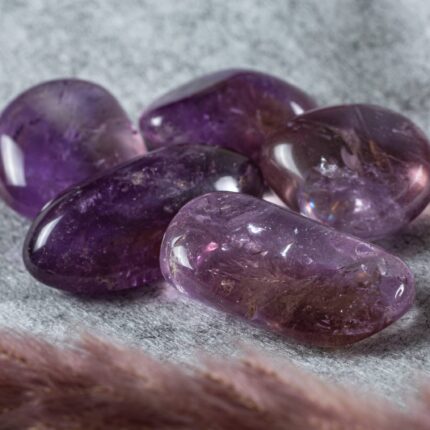
Lapis Lazuli & Amethyst: With its soothing, purifying energy, amethyst brings a calm mind that is ideal for meditation. Together, they create a space of receptivity, wisdom and spiritual growth, helping you reconnect with your higher self – perfect for finding both spiritual guidance and everyday calm.
-
Lapis Lazuli & Citrine: Citrine is a sunny stone known for boosting self-confidence and attracting prosperity. Its joyful energy chases away fears and encourages a positive attitude towards challenges. Together, they help you manifest your dreams and reach your full potential while staying true to yourself.
Caring for and Using Lapis Lazuli
Cleansing and Recharging
Like many stones, lapis lazuli absorbs the energies around it, so it needs regular cleansing. Here are a few methods suited to this delicate stone.
Cleansing: Place it overnight on a quartz or amethyst cluster, or on a bed of salt. Avoid water, which can damage this porous stone.
Recharging: Leave it in the soft light of the full moon to revitalise its energy, or place it on a Flower of Life or near a quartz geode. Avoid direct sunlight, which can alter its colour.
Care
Cleaning: Wipe your jewellery gently with a slightly damp cloth, then dry it straight away. Avoid chemicals and abrasive cleaners, which can damage the surface.
Storage: As lapis lazuli is relatively soft, store your jewellery separately to prevent scratches, ideally in a fabric pouch or lined jewellery box.
Precautions: Take off your jewellery for any activity where it might be knocked or come into contact with chemicals, such as housework. Avoid water too, and especially chlorinated pool water and seawater, which can damage the stone.
How to Use Lapis Lazuli
Meditation: Lapis lazuli is a powerful aid to meditation. Place it on your third eye to awaken your intuition and deepen your spiritual connection, or simply keep it close to you to sharpen your mental clarity and inner wisdom.
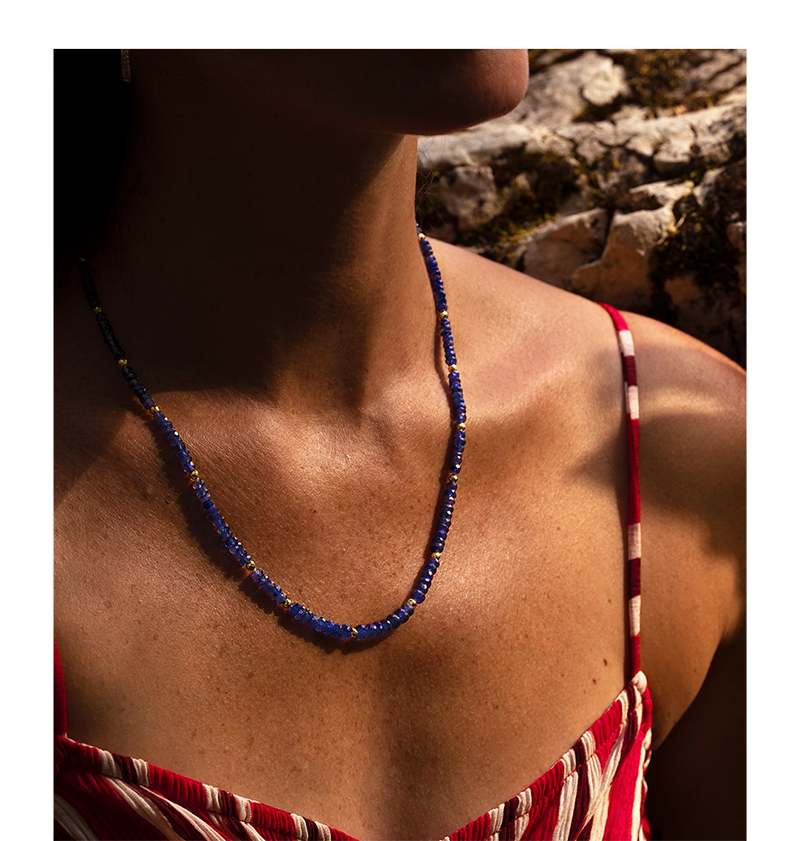
Jewellery: Wear lapis lazuli jewellery to carry its energy with you every day, encouraging self-confidence and positivity. Its beauty and harmonising energy make it a timeless choice.
Decoration: Its deep blue flecked with gold brings elegance to any home. Display rough stones or carvings to inspire creativity and create a calm, serene atmosphere. On a bedside table, it is said to support sleep and dreams.
Pigments: Today, ultramarine blue is mainly produced synthetically, but natural lapis lazuli pigment is still made for artists and for the restoration of works of art.
Mineralogy and Composition of Lapis Lazuli
Lapis lazuli is not a single mineral but a rock, made up mainly of lazurite, a blue silicate mineral. It also contains calcite and pyrite, along with smaller amounts of other minerals. The pyrite gives it its golden flecks, while the calcite forms white veins or patches.
| Type | Metamorphic rock |
| Main mineral | Lazurite (sodalite group, feldspathoid) |
| Chemical class | Silicate |
| Subclass | Tectosilicate |
| Lazurite formula | (Na,Ca)₈(AlSiO₄)₆(SO₄,S,Cl)₂ |
Formation
Lapis lazuli forms through contact metamorphism, where hot magma meets limestone and transforms it into marble. Sulphur-rich fluids circulating in these zones allow lazurite to crystallise, along with calcite, pyrite and sometimes sodalite. The higher the lazurite content, the deeper and more intense the blue.
| Main component | Lazurite: The mineral that gives lapis lazuli its characteristic blue colour and makes up most of the stone. |
| Other minerals | Pyrite: Forms small golden metallic flecks. |
| Calcite: White veins or patches that can make the stone paler. | |
| Sodalite: Sometimes present, adding further blue tones. | |
| Minor minerals | Diopside, augite, hornblende, feldspar, mica |
Physical Properties of Lapis Lazuli
| Hardness and Durability | Mohs scale: 5 to 6, softer than quartz (7) but strong enough for jewellery.
Impact resistance: Moderate. It can be scratched or chipped by harder materials. |
| Refraction of Light | Refractive index: Approximately 1.50. |
| Birefringence: None, as lapis lazuli is a rock made up of many tiny crystals. | |
| Density | Specific gravity: Generally 2.7 to 2.9, depending on its pyrite content. |
Transparency and Appearance
Transparency: Opaque, occasionally slightly translucent at the edges.
Colour: Mainly blue, from light to deep blue, often flecked with golden pyrite and sometimes veined with white calcite.
Lapis Lazuli FAQs
👉 What is lapis lazuli?
Lapis lazuli is a deep blue semi-precious stone flecked with golden pyrite. Formed in metamorphic rocks, it is mined mainly in Afghanistan, Chile and Pakistan. It has been used since ancient times by the Egyptians, Mesopotamians and Greeks for jewellery, seals and pigments. The Egyptians held it in particularly high regard, associating it with the gods and using it in temples, religious objects and ceremonial jewellery. Today, it is still worn as jewellery and ground into powder to make its famous blue pigment.
👉 What are the benefits of lapis lazuli?
Associated with wisdom, truth and serenity, lapis lazuli is often used in crystal healing to encourage communication and self-confidence. It helps to release emotional blockages and supports clear thinking and good decision-making. Spiritually, it is linked to the third eye and throat chakras, stimulating intuition and deep meditation and helping you tap into your inner wisdom. Physically, it is said to relieve headaches, reduce stress and promote restful sleep.
👉 Which star signs is lapis lazuli best for?
Lapis lazuli suits every star sign, as it nurtures wisdom, communication and intuition. It is particularly beneficial for Sagittarius and Scorpio. In their quest for truth and knowledge, Sagittarians are energised by its power to sharpen the mind and open them to new ideas. For Scorpios, it encourages introspection and a connection with their deepest emotions. Above all, it can enrich anyone’s life by bringing inner peace, focus and better communication.
👉 Is lapis lazuli water-resistant?
No. Lapis lazuli is a porous, delicate stone that does not tolerate water well. Over time, water can seep into the stone and dull its surface and lustre. Chlorinated and salt water are particularly harmful, so avoid swimming in a pool or the sea while wearing it. If your lapis lazuli gets wet, dry it straight away with a soft cloth.
👉 Can lapis lazuli fade?
Yes. Lapis lazuli can fade on contact with chemicals such as detergents and cleaning products, and prolonged exposure to heat or sunlight can dull its colour and lustre. Water can also affect its appearance. To keep it at its best, store it away from direct light, heat and chemicals, and clean it gently with a slightly damp cloth. Note that some lower-quality stones on the market are dyed, and these are particularly prone to fading.
👉 How can you tell if lapis lazuli is genuine?
Genuine lapis lazuli has an intense, deep blue colour, often flecked with small golden pyrite inclusions that should not dominate the stone. It may also show white veins of calcite. Natural lapis feels cool to the touch and fairly heavy: if it feels too light or plasticky, it may be an imitation. To check for dye, gently rub an inconspicuous spot with a cotton bud dipped in acetone. If the cotton turns blue, the stone has probably been dyed; if not, it is probably untreated.