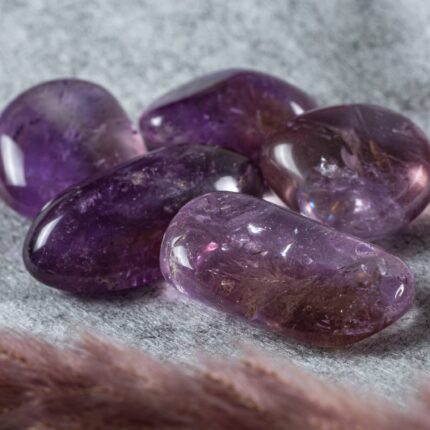
Positivity

porte clés citrine
citrine argente porte cle2 1 scaled 1.jpg
Select options This product has multiple variants. The options may be chosen on the product page
citrine pendentif solitaire 5mm
citrine pendentif2 scaled 1.jpg
Select options This product has multiple variants. The options may be chosen on the product page

5mm Citrine Solitaire Pendant

Price range: CHF 79 through CHF 108
citrine pendentif à facettes
citrine pendentif poire2 1 scaled 1.jpg
Select options This product has multiple variants. The options may be chosen on the product page

Faceted Citrine Pendant

Price range: CHF 110 through CHF 139
collier citrine attrape rêve
attrape reve citrine artisanat2 1 scaled 1.jpg
Select options This product has multiple variants. The options may be chosen on the product page

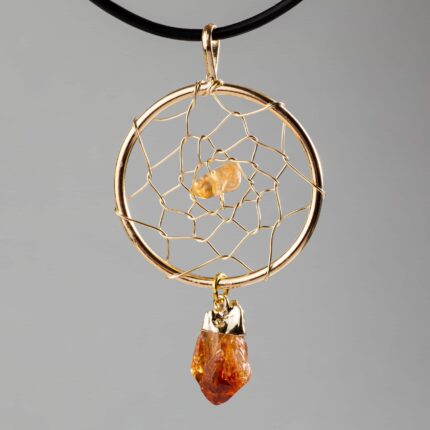
Citrine Dreamcatcher Necklace

Price range: CHF 49 through CHF 68
collier citrine attrape rêve doré
attrape reve citrine artisanat dore2 1 scaled 1.jpg
Select options This product has multiple variants. The options may be chosen on the product page

Gold Citrine Dreamcatcher Necklace

Price range: CHF 49 through CHF 68
chrysoprase pointe 30mm
chrysoprase pointe2 1 scaled 1.jpg
Select options This product has multiple variants. The options may be chosen on the product page

Chrysoprase Point, 30mm

Price range: CHF 59 through CHF 88
citrine pendentif trèfle
citrine pendentif trefle2 1 scaled 1.jpg
Select options This product has multiple variants. The options may be chosen on the product page

Citrine Clover Pendant

Price range: CHF 120 through CHF 149
citrine pendentif rond
citrine pendentif rond2 1 scaled 1.jpg
Select options This product has multiple variants. The options may be chosen on the product page

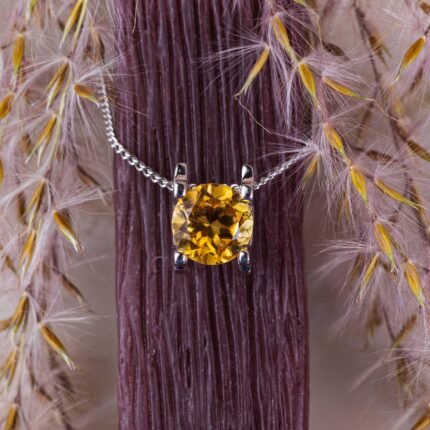
Round Citrine Pendant

Price range: CHF 79 through CHF 108
pierre de soleil coeur pendentif
coeur pierre de soleil4 scaled 1.jpg
Select options This product has multiple variants. The options may be chosen on the product page

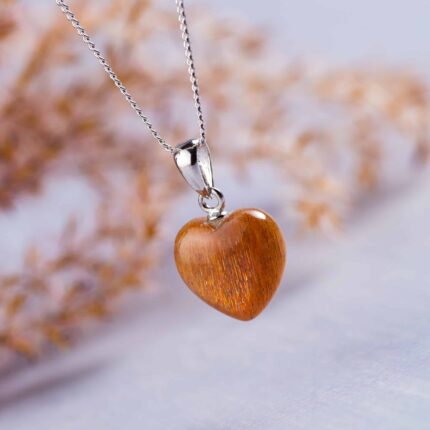
Sunstone Heart Pendant

Price range: CHF 49 through CHF 78
pierre de soleil coeur pendentif
coeur pierre de soleil2 scaled 1.jpg
Select options This product has multiple variants. The options may be chosen on the product page

Sunstone Heart Pendant

Price range: CHF 39 through CHF 68
péridot pendentif 5mm
peridot pendentif2 scaled 1.jpg
Select options This product has multiple variants. The options may be chosen on the product page

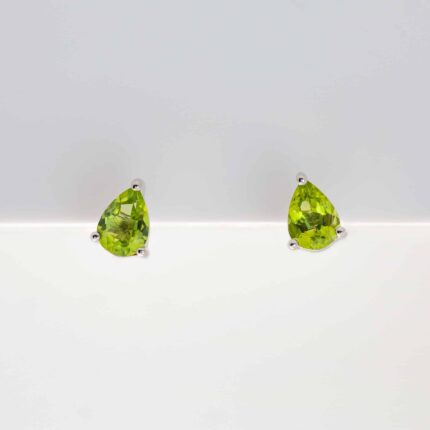
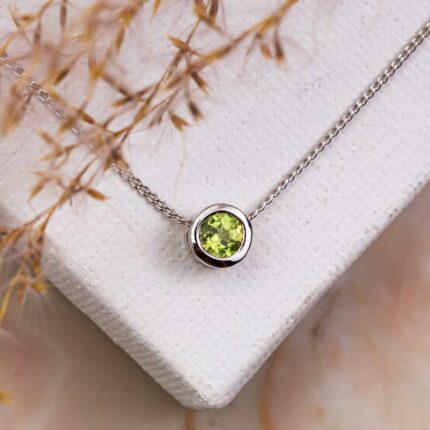
5mm Peridot Pendant

Price range: CHF 79 through CHF 108
spinelle coeur pendentif
coeur spinelle2 scaled 1.jpg
Select options This product has multiple variants. The options may be chosen on the product page

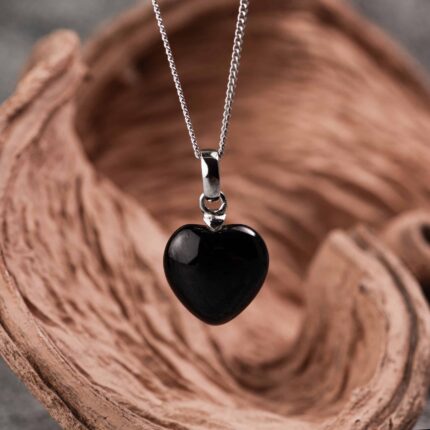
Heart-shaped Spinel Pendant

Price range: CHF 39 through CHF 68
topaze blanche pendentif
topaze blanche pendentif4 scaled 1.jpg
Select options This product has multiple variants. The options may be chosen on the product page

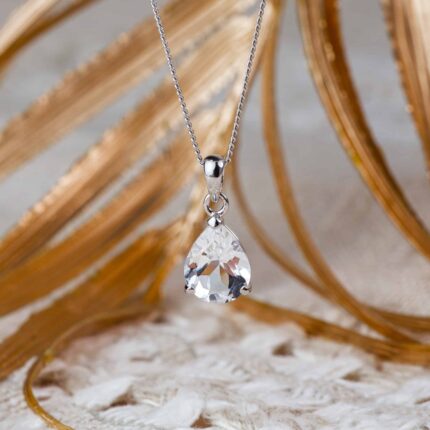
White Topaz Pendant

Price range: CHF 79 through CHF 108
topaze blanche pendentif
topaze blanche poire pendentif2 scaled 1.jpg
Select options This product has multiple variants. The options may be chosen on the product page

White Topaz Pendant

Price range: CHF 89 through CHF 118
topaze blanche solitaire 5mm
topaze blanche pendentif2 scaled 1.jpg
Select options This product has multiple variants. The options may be chosen on the product page

5mm White Topaz Solitaire

Price range: CHF 79 through CHF 108
spinelle pendentif 5mm
spinelle pendentif2 scaled 1.jpg
Select options This product has multiple variants. The options may be chosen on the product page

5mm Spinel Pendant

Price range: CHF 79 through CHF 108
croix citrine 25mm
citrine croix6 1 scaled 1.jpg
Select options This product has multiple variants. The options may be chosen on the product page

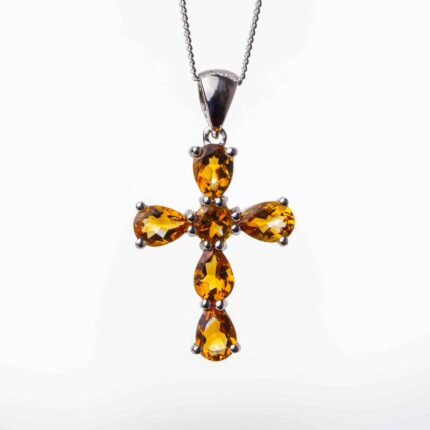
25mm Citrine Cross

Price range: CHF 130 through CHF 159
croix citrine 33mm
citrine croix2 1 scaled 1.jpg
Select options This product has multiple variants. The options may be chosen on the product page

33mm Citrine Cross

Price range: CHF 130 through CHF 159
croix citrine 35mm
citrine croix4 2 scaled 1.jpg
Select options This product has multiple variants. The options may be chosen on the product page

35mm Citrine Cross

Price range: CHF 150 through CHF 179
croix citrine 35mm
citrine croix cisele2 1 scaled 1.jpg
Select options This product has multiple variants. The options may be chosen on the product page

35mm Citrine Cross

Price range: CHF 130 through CHF 159

Discover our other gemstones

agate

amazonite

amber

amethyst

ametrine

Origin and varieties of agate

It is a semi-precious stone formed from successive deposits of silica in the cavities of volcanic rocks. Its name derives from the River Achates in Sicily, where it was first discovered in ancient times. Today, the main deposits are found in Brazil, Uruguay, India, Madagascar, the United States, Germany and China.

It is distinguished by its many varieties: banded, dendritic, tree-like, fire agate… each with its own unique visual characteristics. Among the best known are, for example, moss agate, characterised by its green, plant-like patterns, and crazy agate, recognisable by its concentric bands of varying colours.

In its raw state, it generally occurs as rounded nodules or geodes, with a rough outer surface and a smooth, glossy interior when cut and polished. Their colours vary considerably, including shades of blue, green, red, yellow, beige and brown, often in distinct layers. These visual characteristics make it a prized gemstone for the creation of jewellery, decorative items and works of art.


History and Symbolism of Agate

With their vibrant colours and unique patterns, these stones have played an important role in many cultures and historical periods, symbolising protection, healing and spirituality.

As far back as ancient times, agate was used for its virtues. The Egyptians used it to make amulets and seals, believing it offered protection and strength. They also incorporated it into funerary jewellery to accompany the deceased into the afterlife. The ancient Greeks and Romans valued agate for its protective properties. They made talismans and jewellery from it, and used it to carve cameos and intaglios. The Romans believed it could bring victory in battle and prosperity in business.

In the Middle Ages, it was believed to cure illnesses and protect against poisons and venoms. Alchemists and healers used it in their practices, and it often adorned religious objects due to its spiritual properties.

In India, it is considered sacred and is used in religious rituals and ceremonies. It is believed to balance energies and bring inner peace. Indian craftspeople also use it to create works of art and jewellery. In China, it is traditionally associated with longevity and prosperity and is used in empirical medicine to balance chi (vital energy) and harmonise body and mind. The Chinese also carve it into ornaments to attract good fortune and protection.

Native American peoples used it to create amulets and talismans, believing in its healing and protective powers. It was also used in rituals to communicate with the spirit world and invoke visions.

In Islam, several hadiths (sayings of the Prophet) mention this gemstone being worn as a ring. It is said to ward off poverty and misery and to purify the heart of hypocrisy. Today, it is still prized for the making of prayer beads.


Properties and Crystal Healing of Agate

Agate is a semi-precious stone believed to possess therapeutic properties. It is often used in crystal healing for its beneficial effects on emotional, physical and spiritual balance.


Emotional Balance:

  • Soothing and Calm: Agate is renowned for its soothing properties. It helps to calm the mind, dispel fear and relieve stress. By bringing a sense of tranquillity, it helps you manage negative emotions more effectively and avoid impulsive reactions. It is also a valuable aid for those suffering from insomnia.

  • Emotional Stability: By fostering a sense of security and stability, it helps to balance emotions and maintain a stable mood. It proves particularly useful for those going through periods of change or emotional upheaval.

Physical wellbeing:

  • Regeneration and healing: It is said to possess regenerative properties. It is believed to stimulate the healing process and strengthen the immune system. It is believed to aid tissue regeneration and recovery following illness or injury. It may be particularly beneficial for acne.

  • Relaxation and recovery: It is also said to promote muscle relaxation and relieve tension. It can be used to soothe physical pain, particularly that linked to stress.


Spiritual Harmony:

  • Spiritual Connection: It is regarded as a grounding stone, helping to establish a deep connection with the earth and the universe. It helps to strengthen spiritual awareness and meditate more effectively.

  • Energetic Protection: This stone is often used to protect against negative and unwanted energies. It creates a protective shield around the aura, preventing harmful influences from disrupting the balance of the energy system.

Effect on the Chakras:

Agate Variety / Colour Associated Chakra Energetic Benefits
Black or Red Agate Root (Muladhara) Enhances stability, grounding and a sense of security and strength.
Orange Agate Sacral (Svadhisthana) Stimulates creativity, passion and vitality whilst helping to balance emotions.
Green Agate Heart Chakra (Anahata) Promotes love, compassion and forgiveness to help heal emotional wounds.
Blue Agate Third Eye (Ajna) Stimulates intuition and promotes a clearer understanding of oneself and the world.


How can agate be combined with other semi-precious stones?

Agate can be combined with other stones to enhance and strengthen their energetic benefits. It is important to choose combinations of crystals that are compatible with one another to maximise their effects. In the case of agates, you can pair them with other stones based on their colours. Here are some beneficial combinations featuring agate.

  • Agate & Rose Quartz: Rose quartz is the stone of unconditional love and peace. When combined with agate, their soothing and harmonising energies promote love for oneself and others. They help to heal emotional wounds and open the heart to compassion and empathy.

  • Agate & Amethyst: Amethyst is known for its soothing and purifying properties. This combination enhances mental clarity and inner peace, whilst protecting against negative energies. Ideal for developing meditation and establishing a deep spiritual connection.

  • Agate & Citrine: Citrine is the stone of prosperity and positive energy. This combination stimulates creativity, motivation and self-confidence. They attract abundance and success, whilst dispelling negative energies and fostering an optimistic outlook.

  • Agate & Jade: Jade is a stone of purity and serenity. Combined with agate, it strengthens inner peace and emotional balance. Together, they promote healing and well-being, helping to bring the body and mind into balance.

  • Agate & Tourmaline: Black tourmaline is renowned for its powerful grounding properties and protection against negative energies. It is an ideal combination for those seeking to shield themselves from external influences whilst cultivating inner balance.


Care and Use of Agate

Purification and Recharging:

It is important to cleanse and recharge your stones so that they retain their energetic properties.

Purification: You can clear the energy by rinsing the stone under cold water and leaving it to air-dry. To purify it, you can place it overnight on a cluster of quartz, amethyst or salt.

Recharging: You can recharge it by placing it in the moonlight or on a Flower of Life overnight. Note that it is best to expose it to the moonlight when the moon is waxing, or even better when it is full!


Care:

Cleaning: Clean your agate jewellery and objects regularly with water and mild soap. You can use a soft-bristled brush on your geodes to gently remove dirt and residue. Avoid harsh chemical cleaners, which can damage the stone.

Protection against knocks and scratches: Agate is a relatively hard stone, but it can be scratched by harder materials. Store your agate jewellery separately from other gemstones to prevent scratches. Also avoid violent impacts which could cause cracks or chips.

Exposure to light and heat: Avoid exposing your agates to intense direct light or prolonged heat sources, as this could alter their colours. Keep them out of direct light when you are not wearing them.


How to use agate:

Meditation: Hold the stone in your hands or place it on your chakras and focus on your intention. Visualise the stone’s energy integrating into your energy field. It is important to cleanse your crystals before and after each use.

As jewellery: Wear agate bracelets and necklaces to benefit from its soothing and balancing properties whilst adding an aesthetic touch to your outfit. Pendants can be worn close to the heart to enhance their calming and protective effects. Brightly coloured agates can be used as statement pieces, whilst softer varieties can be combined with other stones for a harmonious effect.

Decoration: Geodes make magnificent decorative pieces, adding a natural and elegant touch to any room. You’ll find a selection of agate plaques to display or hang on the wall in our shops in Balexert and Cornavin.

Feng Shui and Wellbeing: Place pieces of agate in the corners of your home or office to promote energetic balance and protection. Use tumbled or rough stones in your meditation spaces to enhance mental clarity and harmony.


Mineralogy and Composition of Agate Stones

Agates are a translucent, banded variety of chalcedony, which itself belongs to the polycrystalline quartz family. Its patterns and colours result from the interaction of water during its formation, combined with the presence of mineral inclusions and impurities. It is primarily composed of silicon dioxide, the same compound as quartz. This structure is the basis of its hardness and durability.


Group / family Quartz
Subgroup Polycrystalline quartz / Chalcedony
Chemical class Silicate
Subclass Tectosilicate
Chemical formula SiO₂ (+ 1–10% impurities: Al₂O₃, Fe₂O₃, CaO, MgO, K₂O, Na₂O, H₂O, etc.)


Formation:

Agates form in slightly acidic lava, within cavities created by the expansion of gases. Silica-rich hydrothermal fluids that seep into these cavities crystallise in regular layers, the colour of which varies depending on the content and nature of the mineral salts present. Although the thickness of the layers may vary, it remains uniform for any given layer throughout the entire nodule, which can reach several metres in size. Sometimes, agate does not completely fill the lava cavity; in these geodes (or druses), macro-crystals of quartz are often found, such as amethyst, rock crystal (hyaline quartz) or smoky quartz.


Main component Silicon dioxide (SiO₂): The stone is primarily composed of silicon dioxide, the same compound as quartz. This structure is the basis of its hardness and strength.
Impurities and inclusions Iron (Fe): Responsible for red, brown and yellow hues.
Manganese (Mn): Contributes to pinkish hues and black or brown dendritic patterns.
Titanium (Ti): Influences blue or grey hues.
Copper (Cu): Causes green or blue colours.
Nickel (Ni): May also produce green hues.
Cobalt (Co): May contribute to a variety of colours when interacting with other elements.
Carbon (C): Found in certain black or dark grey agates.


Physical Properties of Agates

Hardness and Strength Mohs scale: Agate has a hardness of 6.5 to 7 on the Mohs scale, making it relatively durable.

Impact resistance: Although agate is hard-wearing, it can fracture under a violent impact due to its internal crystalline structure.

Refraction of Light Refractive index: Its refractive index ranges from 1.530 to 1.540. This property influences the way light passes through and interacts with the stone, contributing to its lustre.
Birefringence: Agate exhibits low birefringence, meaning it does not display any notable double refraction. Light passes through the stone fairly uniformly.
Density Specific gravity: Its density ranges from 2.58 to 2.64 g/cm³, similar to that of quartz. This density contributes to the stone’s sense of weight when held in the hand.

Transparency and appearance:

Transparency: It ranges from translucent to opaque. The purity of the silica and the presence of inclusions determine its degree of transparency.

Colours and patterns: Agate is renowned for its coloured bands and varied patterns, which may include concentric structures, dendritic patterns or moss-like patterns. These characteristics result from the conditions under which it formed and from mineral impurities.


FAQs about agate

👉 What are the benefits of agate?

Agate is renowned for its soothing properties, calming the mind, dispelling fear and relieving stress. By fostering a sense of security and stability, it helps to balance emotions. As a grounding stone, it protects against negative and unwanted energies. It is particularly useful for those going through periods of change. It is also valuable for people suffering from insomnia. It is said to have regenerative properties, stimulating the healing process and strengthening the immune system. It is said to help reduce acne and is also reputed to promote muscle relaxation and relieve tension.

👉 What colour is agate?

Agate comes in a wide range of colours, from white to black, with shades of blue, green, red, yellow, brown and pink. It is often characterised by its distinctive, multicoloured bands, which form naturally over time. Each variety features unique patterns and colourings, making it particularly prized in jewellery and crystal healing. The most colourful is probably ‘crazy agate’, which contains bright yellows, reds, greys and blacks. Some others, such as moss agate or dendritic agate, feature inclusions resembling natural landscapes or plants, along with shades of green. Meanwhile, Botswana agate displays subtle brown-beige streaks.

👉 Which chakra is agate associated with?

Agate is a versatile stone associated with several chakras depending on its colour. In general, it is considered a balancing stone for all chakras, promoting overall energetic harmony. Red or black specimens are connected to the root chakra, providing grounding and stability. Varieties with orange tones balance the sacral chakra, imparting vitality and creativity. Moss agate, with its green hues, is often associated with the heart chakra, helping to balance emotions and promote love and compassion. Light blue agate is linked to the throat chakra, promoting communication and self-expression. Darker blues are associated with the third eye chakra and promote intuition and clairvoyance.

👉 How should you wear agate?

Wearing agate as jewellery is a common way to benefit from its soothing and balancing properties. Bracelets, necklaces and pendants made from this stone are popular. To maximise its effects, it is recommended to wear it as close to the body as possible, ideally in direct contact with the skin. Pendants worn at heart level or bracelets on the wrist are particularly effective. Pebbles can also be placed in a pocket or bag for a continuous influence throughout the day. During meditation, you can hold your stones in your hand or place them on a specific chakra depending on the desired effect.

👉 How can you tell if an agate is genuine?

Recognising a genuine agate involves observing its distinctive characteristics. In their natural state, they feature irregular and varied bands of colour, often with unique patterns and mineral inclusions. The stone’s texture is generally smooth, with a glassy or waxy lustre. A genuine agate feels cool to the touch, even in warm weather, and is surprisingly heavy for its size. Using a magnifying glass can reveal internal crystalline structures, confirming its authenticity. Imitations, on the other hand, are often made of plastic or tinted glass, with uniform, artificial colours. These stones are frequently dyed for aesthetic reasons and, in such cases, tend to be plain in colour.

👉 Where should you place an agate?

Placing an agate – whether as a tumbled stone, a slab or a geode – in your home or workplace can enhance harmony and tranquillity. It is often placed in living areas to foster a peaceful atmosphere. For example, it can be displayed near the front door to protect against negative energies, or in the living room to promote communication and relaxation. In the bedroom, it can help calm the mind and promote restful sleep. These gemstones are also used in offices to improve concentration and mental clarity, making the space more conducive to work and creativity.

👉 How do you cleanse agate?

To purify your agate, you can clear it by running it under cold running water for a few minutes, or by placing it on a bed of dry sea salt or a selenite ‘Flower of Life’ for several hours. To recharge its energy, agate can be exposed to sunlight for a few hours or to moonlight overnight. Another technique is to bury it in soil for a few days. This is a good option if you have been using it for a long time. To clean an agate stone or piece of jewellery, simply rinse it under lukewarm water with a mild soap, then dry it with a soft cloth. It is important to avoid harsh chemicals or abrasive cleaners which could damage the surface of the stone.

👉 How much does an agate stone cost?

The price of an agate stone varies considerably depending on its quality, size and rarity. Common agates can cost a few Swiss francs (CHF) for small pieces or rough specimens. Larger agates, whether polished or featuring unique patterns, can cost several tens of francs. Particularly rare pieces, with exceptional colours or patterns, can cost several hundred francs. In jewellery, prices can be higher, especially for finely crafted pieces set in precious metals. The agate market is therefore quite broad and accessible to a range of budgets.

Read more