
Natural Stones
The stones
Filter by price
Virtues:
- Calm 1
- Clarity 1
- Communication 1
- Compassion 1
- Creativity 1
- Healing 1
- Intuition 2
- Joy 1
- Love 2
- Peace 2
- Spirituality 1
- Sweetness 1
Materials:
- 925 sterling silver 147
- Brass 122
- Gold 61
- Gold-plated 105
- Natural Stones 692
- Silver 151
- Steel 100
- Synthetic leather 4
- Wood 2
- Zircons 148
Showing all 3 results


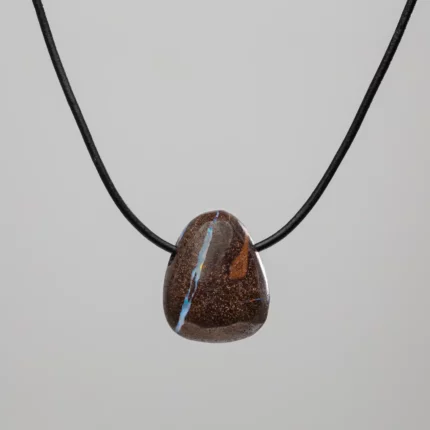

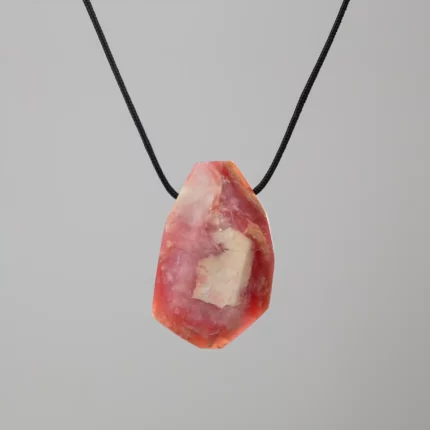
Discover our other gemstones


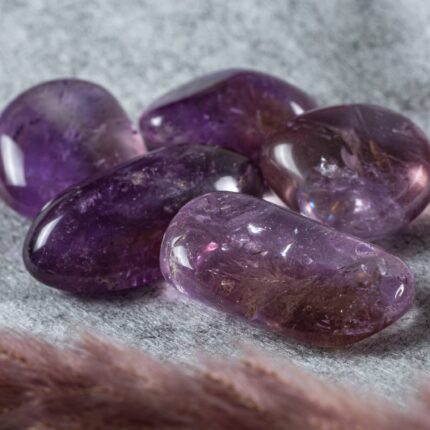
Origin
The word ‘opal’ derives from the Sanskrit word ‘upala’, meaning ‘precious stone’. Later, the Romans used the word ‘opalus’, which refers to the observation of a change in colour. This gemstone is indeed characterised by its iridescent play of colour, which changes depending on the light. It usually forms in ancient bodies of water, such as dried-up lakes. Opal is found in Australia, which is the world’s leading producer. It is also mined in Mexico, Brazil, Ethiopia and other countries.
The essence of the opal: a journey through colour and light
Opal has a rich and varied history, with numerous beliefs associated with its mystical powers. In ancient times, the Romans regarded it as a stone of protection and good fortune. Pliny the Elder wrote in his work *Natural History* that it was the most prized and expensive gemstone of all those found in the empire.
However, in the 19th century, it gained a reputation for bringing bad luck, partly due to Sir Walter Scott’s novel *Anne of Geierstein*, in which a character possessing a magical opal suffers a series of misfortunes. This belief was reinforced by superstitions and anecdotal incidents, even though it is largely unfounded.
Throughout history, it has adorned the crowns of royalty: in France, Hungary, the Holy Roman Empire and England. Napoleon presented Empress Josephine with *The Burning of Troy*, a stone with intense red iridescence. Very soon, renowned jewellers such as Cartier, Lalique and Tiffany began using this gemstone in their designs.
The conditions under which it forms have also allowed opals to develop within the fossilised bones of dinosaurs or molluscs. One example is a 72-carat black crystal opalised belemnite fossil found in 2003. This specimen is on display at the Adelaide Museum. A pliosaur skeleton named Eric was discovered in 1987, completely encrusted with opal.
The properties of opal in crystal healing
Opal is a gemstone with a rich palette of colours and fascinating plays of light. In crystal healing, it is valued for its many energetic and spiritual properties. Here is an overview of its main properties:
Emotional balance:
-
Stabilising emotions: This gemstone is known to help stabilise emotions and bring emotional balance. It helps to calm feelings of fear, anxiety and stress.
-
Expression and Release: It encourages the expression of emotions, enabling a better understanding and management of repressed feelings. It supports the release of negative emotions and past traumas, thereby promoting emotional healing and self-acceptance.
Physical Well-being:
-
Regeneration: It is renowned for its regenerative properties. It is often used to aid tissue regeneration and recovery following injury or illness.
-
Detoxification: It helps to detoxify the blood and kidneys, thereby promoting a healthier and more balanced body.
-
Immune System: It can strengthen the immune system, boosting the body’s ability to fight off infections and illnesses.
Spiritual Harmony:
-
Spiritual Awakening & Transformation: Opal is a stone of spiritual awakening and promotes connection with higher dimensions and the development of intuitive and psychic abilities. This stone supports and encourages personal transformation and self-reflection. It helps one to understand and accept life’s lessons, thereby facilitating personal growth and spiritual evolution.
-
Amplification & Protection: By amplifying vibrations, it helps to strengthen intentions and manifest desires. It is often used in meditation and spiritual practices to increase energy efficiency. It protects against unwanted negative influences by forming a protective shield around the aura.
-
Creativity and inspiration: It stimulates creativity and imagination, helping artists and creators to find new ideas and express their art in a unique way.
Effect on the Chakras:
| Sacral Chakra (Svadhisthana): | Fire opals, in particular, are closely linked to the sacral chakra. They stimulate creativity, passion and sexuality, helping to release emotional blockages and revitalise. |
| Heart Chakra (Anahata): | Pink or green varieties are beneficial for the heart chakra. They help to open the heart to unconditional love, compassion and emotional healing. |
| Crown Chakra (Sahasrara): | Clear and white varieties are often associated with the crown chakra. They promote spiritual connection, the awakening of higher consciousness and enlightenment. |
How can opal be combined with other semi-precious minerals?
Combining opal with other minerals can amplify its properties and create beneficial synergies in crystal healing. Here are five examples of effective combinations, with a description of their combined effects:
- Opal & Citrine: It pairs well with citrine, the stone of joy and abundance. Their combined power to bring about manifestation is amplified to attract prosperity and stimulate creativity. This combination boosts self-confidence and positive energy.
- Opal & Garnet: Garnet, with its revitalising and grounding energies, pairs well with opal to enhance vitality and passion. This combination helps to boost physical energy and strengthen determination…
- Opal & Moonstone: Moonstone is a stone of femininity and intuition. Together, they promote emotional balance and inner harmony, whilst helping to develop intuition and balance the feminine and masculine energies.
- Opal & Rose Quartz: This combination creates a gentle, soothing energy that facilitates openness to love and emotional healing. Rose quartz, known as the stone of unconditional love, fosters compassion and self-acceptance.
- Opal & Sodalite: Sodalite is known for its properties that promote mental clarity and communication. This synergy helps to enhance concentration and facilitate self-expression. Ideal for those seeking to improve their communication skills and clarify their thinking.
Care and Use of Opal
Cleansing and Recharging:
Cleansing opal is essential: it removes any negative energies the gem may have absorbed whilst in use or whilst on display in a shop.
Purification: Most opals can be purified by placing them under running water for a few minutes. This method should be avoided for Ethiopian opals, which must not come into direct contact with water. You can also place them on a cluster of quartz, an amethyst geode or salt for several hours.
Recharging: To recharge it, simply expose it to moonlight. Please note that opals are sensitive to dehydration, so avoid prolonged exposure to sunlight. A Flower of Life can also be used for this purpose.
Care:
As these gemstones are sensitive to a number of factors, they require special care. Here are a few tips to help you look after your opal jewellery.
- Sun and Heat: As they are composed of a high percentage of water, opals are sensitive to dehydration. Consequently, they are sensitive to heat and direct sunlight. Avoid wearing your opal jewellery for long periods in direct sunlight, as this could affect its natural lustre. Store it in cool, shaded places, away from sources of heat such as sunny windows or cars in hot weather.
- Chemicals: These stones react adversely to harsh chemicals. Avoid spraying perfume or hairspray, or applying lotions directly onto your opal jewellery. Remove it before using chemicals for cleaning, gardening or any other activity.
- Gentle cleaning: To preserve their lustre, clean them regularly with a soft, lint-free cloth after each use. Avoid brushes or abrasive materials that could scratch their delicate surface.
- Storage: Store your opal jewellery separately to prevent contact with other items. Use jewellery boxes lined with soft fabric to prevent rubbing and scratching. Do not store it with metal jewellery that could damage it.
- Impacts and scratches: As opals are relatively soft, protect them from impacts and scratches. Avoid wearing them during intense physical activities such as sport, where they could be subjected to knocks.
Ethiopian opals: a special case
Welo opals from Ethiopia are particularly sensitive to dehydration. Known for their ability to absorb moisture, they require special care to prevent loss of their lustre and the formation of cracks. Store them in damp cotton wool or in a bathroom to delay dehydration. They may temporarily become transparent and lose their lustre when in contact with water. If they get wet, be patient – a few days’ drying is enough for them to regain their original appearance. Remove your jewellery before washing your hands, swimming or taking part in water-based activities.
Uses of Opal
Meditation: This gemstone is known to strengthen the spiritual connection and open the higher chakras, thereby facilitating spiritual journeys and inner exploration. Hold it in your hand or place it on the third eye or heart chakra whilst meditating. It helps to calm the mind, soothe emotions and induce a state of deep relaxation, conducive to introspection. You can also create a sacred space by placing several opals around your meditation area to amplify the energy.
Decoration: The noble (or precious) opal, which displays a play of colours that changes depending on the angle of view, and the common opal, which lacks this effect. The iridescent effect of the noble opal is caused by the diffraction of light on an orderly and regular stack of silica nanospheres of almost identical diameter.
Mineralogy and Composition of Opal
Opal is an amorphous (its crystals have no particular shape; it is also known as a mineraloid) or partially crystallised hydrated silica, formed at low temperatures in sedimentary or volcanic environments rich in silica. It generally contains between 4 and 10 per cent water, and sometimes more than 20 per cent. It can also occur as a pseudomorph after mineral or organic substances.
| Group / family | Opal |
| Subgroup | N/A |
| Chemical class | Hydrated silicon dioxide |
| Chemical formula | SiO₂•nH₂O |
Formation:
Geologically, opal forms as a weathering mineral within the first few hundred metres below the Earth’s surface through the circulation of water. The weathering of silicate rocks releases silica into the water, which then precipitates to form opal. A distinction is made between continental meteoric weathering contexts and hydrothermal weathering contexts involving the circulation of hot water.
| Main component | Hydrated silicon dioxide: Its composition is similar to that of quartz, but its amorphous structure distinguishes it from quartz. |
| Other components | Opal may also contain organisms fossilised by permineralisation, replacement or inclusion. However, the inclusions are generally plant roots. In 2020, a fossilised cicada nymph dating back 5 to 10 million years was discovered in opal. |
Physical Properties of Opal
| Hardness and Strength | Mohs scale: With a hardness of 5.5 to 6.5 on the Mohs scale, this stone is relatively soft. Impact resistance: Its impact resistance is particularly low due to its internal structure, which has a very high water content. |
| Refraction of Light | Refractive index: Approximately 1.37 to 1.52 |
| Birefringence: None; opal is isotropic | |
| Density | Specific gravity: The density ranges from 1.30 to 2.30 g/cm³ |
Transparency and appearance:
Transparency: Varies from transparent to opaque
Appearance: Opal can display a wide range of colours (almost all are represented) with characteristic play-of-colour effects caused by the diffraction of light by the silica microspheres.
Colour: The magnificent iridescent colours of precious opal arise from the play of light created by its internal structure, where regularly arranged silica spheres cause interference of light waves (diffraction). In contrast, common opal does not exhibit this effect. White, blue, grey and black reflections are fairly common, but red reflections, caused by larger spheres (around 350 nanometres), are very rare.
💡
Why does opal change colour?
Opal changes colour due to the diffraction of light through its internal structure, which consists of regularly arranged silica spheres. This arrangement creates an iridescent effect by dispersing light into different colour spectra depending on the viewing angle.
Variations in the size and spacing of these silica spheres directly influence the intensity and variety of the colours observed. This phenomenon is what makes each opal unique in terms of its play of light.
Did you know? Exactly the same structural colour effect can be found in the wings of Morpho butterflies, which gives them their strikingly vivid azure blue hue without a single trace of blue pigment.
Sudamerica Stones: your choice for opal jewellery
Sudamerica Stones stands out for its in-depth expertise in the selection and crafting of natural opal jewellery. Each piece is carefully chosen for its exceptional quality, ensuring jewellery that showcases the natural beauty of this gemstone. From precious Australian opals to magnificent Ethiopian Welo opals and common opals, Sudamerica Stones offers a diverse range to suit all tastes. Your satisfaction is important to us! Our team is always on hand to help and advise you.
Characteristics and quality of opals:
The value of an opal is determined by several key factors, including colour, shape, size, clarity and provenance. Here is a detailed guide to understanding these criteria:
| Evaluation criteria | Factors determining value |
|---|---|
| 1. Colour |
Play of colour: The most important characteristic in determining an opal’s value is the intensity and variety of its play of colour. Stones displaying vivid and varied colours, particularly red and orange, are more valuable. Background: The background of the stone – whether black, white or transparent – also influences its value. Black opals with vivid play-of-colours are the most valuable, followed by crystalline or transparent opals and white opals. Colour distribution: An even distribution of colours throughout the stone is more desirable than an uneven distribution or areas lacking colour. |
| 2. Shape |
Cabochon: They are often cut into a cabochon (a domed, polished shape) to showcase their play of colours. Symmetrical and well-proportioned cabochons are more valuable. Freeform: Some stones are cut into freeform shapes to follow the natural veins of the stone. The quality of the cut and the way it enhances the play of colours affect their value. |
| 3. Size |
Weight: This is measured in carats. The larger the stone, the more valuable it is, provided that the colour and clarity are also of a high standard. Thickness: The thickness of the stone – particularly in boulder opals and matrix opals – plays a role in determining its value. Thicker specimens may be more durable and display more spectacular play-of-colour. Doublets and triplets: Slabs that are too thin are bonded to another material, usually bronzite or host rock. This allows them to be set in jewellery. A doublet consists of two layers, a triplet of three. |
| 4. Clarity |
Inclusions: The presence of fractures, veins or inclusions can reduce their value. The most valuable specimens are those that are clear and free from visible flaws. Transparency: For certain varieties, such as fire opal, good transparency can increase the value. |
| 5. Origin |
Geographical origin: Specimens from certain regions, such as Australia (black opal and boulder opal), Mexico (fire opal) and Ethiopia (Welo opal), may command a higher price due to their superior quality and rarity. History and authenticity: Those with a well-documented provenance or those from renowned mines may have added value, such as those from Lightning Ridge. |
Varieties of opals and their origins
| Type & Origin | Characteristics |
|---|---|
| Black Opal
Australia (mainly New South Wales) |
This is the rarest and most valuable of all opals. It is distinguished by a dark background (black, grey or blue) which highlights the vibrant and vivid play of colour. The iridescent colours may include shades of blue, green, red, orange and purple. The finest specimens come from the Lightning Ridge mines. |
| White Opal
Australia (Coober Pedy), Hungary, United States |
Also known as milky opal, it has a light or white background with pastel-coloured highlights. Although less valuable than black opal, it remains highly prized for its soft, luminous beauty. |
| Fire Opal
Mexico (State of Querétaro) |
Characterised by its bright orange to red colour, this variety can range from transparent to translucent. Some fire opals display play-of-colour, although this is less common. |
| Boulder Opal
Australia (Queensland) |
Boulder opal is found within the host rock (the ‘boulder’), often in fine veins. It displays spectacular patterns of iridescent colours against a natural stone background. |
| Ethiopian Opal
Ethiopia (Wollo region) |
Discovered more recently, it is renowned for its transparency and its vibrant play of colour. It can display a range of colours from white to black, with vivid plays of light. |
| Honduran opal
Honduras |
Unique in appearance, it is often black or brown with flashes of colour scattered irregularly throughout the rock matrix. It is less well known but highly prized for its beauty. |
| Common Opal
Found all over the world, particularly in Peru, Brazil and Indonesia |
this variety lacks iridescence and comes in a variety of colours such as white, grey, blue, pink or green. It is often used for its therapeutic properties rather than in jewellery. |
Opal FAQ
👉 What are the properties of opal?
Opal is a stone that promotes spiritual awakening by facilitating connection with higher dimensions and developing intuitive and psychic abilities. It supports personal transformation by encouraging introspection and an understanding of life’s lessons, which facilitates spiritual growth and evolution. By amplifying vibrations, opal strengthens intentions and helps to manifest desires, whilst protecting against negative influences by creating an energy shield around the aura. Furthermore, it stimulates creativity and imagination, offering artists and creators a source of inspiration to express their art in innovative and original ways.
👉 Why wear an opal?
Wearing an opal can add a unique and colourful touch to your style thanks to its pearlescent play of colours. Beyond its aesthetic appeal, it is often chosen for its spiritual properties and its beneficial influence on emotions. It is renowned for bringing emotional balance. It helps to soothe feelings of fear, anxiety and stress. This gemstone also encourages self-expression, making it easier to understand and manage repressed feelings. It supports the release of negative emotions and past traumas, thereby promoting emotional healing and self-acceptance.
👉 How can I identify a high-quality opal?
One of the key criteria for identifying the quality of an opal is the saturation of its colours and its iridescence. A valuable opal displays a variety of vivid, evenly distributed colours, with a uniform lustre. Also check for clarity and the absence of major cracks or visible inclusions. Thickness also plays a role in the stone’s value. The quality of the cut and polish also influences the overall appearance. Opals with intense iridescence and a well-defined internal structure are generally considered the most valuable. Black opals and red-toned opals are more sought-after and therefore more expensive. Finally, bear in mind that the origin can also affect its value.
👉 Which is more expensive, a diamond or an opal?
Generally speaking, a diamond is more expensive than an opal due to its rarity, demand and high quality standards. However, certain rare, high-quality opals, such as black opals from Australia or Welo opals from Ethiopia, can fetch very high prices. Price variations depend on the quality of the stone, its lustre, its colours and its provenance. Exceptional opals can sometimes rival diamonds in terms of price, especially in the case of rare specimens. One example is the ‘virgin rainbow’ opal, which formed from a fossil.
👉 What is the most beautiful opal in the world?
The beauty of an opal is subjective and depends on personal preference. However, famous opals such as ‘The Fire of Australia’ – a noble opal weighing nearly 1kg with an exceptional play of colour – are often considered among the most beautiful. Generally, black opal specimens from Lightning Ridge are prized for their beauty. Welo opals from Ethiopia are also renowned for their vibrant lustre and unique colours. These semi-precious stones are prized for their exceptional iridescence and rarity, making them a popular choice amongst collectors and gem enthusiasts.
👉 What is the difference between a natural opal and a treated opal?
Natural opals form without human intervention. Treated opals undergo various processes to enhance their appearance, such as dyeing (smoking, carbonisation) or filling cracks (with wax, epoxy or resins). They may also be bonded to other materials if they are not thick enough to be set on their own, forming doublets and triplets. Treated opals may mimic the appearance of natural opals but may not offer the same durability and may lose their market value. There are also a number of processes for creating artificial opals. Some imitations are so well made that the only way to distinguish them is to carry out a diagnostic test by removing a small section of the stone, but this may cause damage.


