By Price
Intention:
- Balance 72
- Calm 1
- Clairvoyance 1
- Clarity 1
- Communication 1
- Confidence 1
- Harmony 72
- Intuition 70
- Letting go 1
- Peace 71
- Protection 1
- Purification 71
- Sleep 70
- Soothing 1
- Spirituality 71
- Wisdom 71
Materials:
- Brass 17
- Gold 6
- Natural gemstones 84
- Steel 15
- Sterling Silver 26
Showing 41–80 of 97 results
Multicoloured Stone Star Pendant, 28mm
CHF 190 – CHF 219Price range: CHF 190 through CHF 219Multicoloured Stone Donut Pendant, 15mm
CHF 210 – CHF 239Price range: CHF 210 through CHF 239Golden Amethyst Flower Pendant
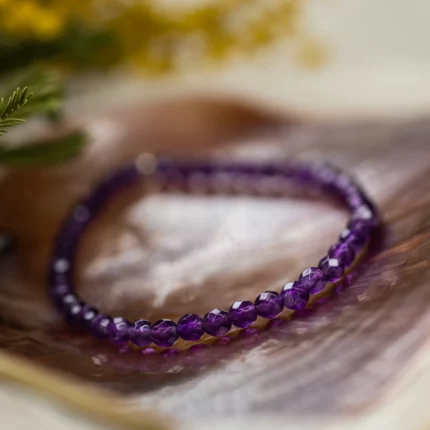
CHF 110 – CHF 129Price range: CHF 110 through CHF 129Amethyst Bracelet, 6mm
CHF 55 – CHF 59Price range: CHF 55 through CHF 59Amethyst Bracelet, 10mm
CHF 60 – CHF 65Price range: CHF 60 through CHF 65
Lavender Amethyst Bracelet, 6mm
CHF 35 – CHF 39Price range: CHF 35 through CHF 39
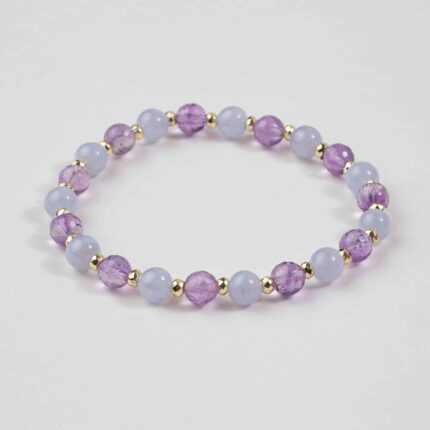
Lavender Amethyst Bracelet, 8mm
CHF 55 – CHF 59Price range: CHF 55 through CHF 59Lavender Amethyst Bracelet, 10mm
CHF 65 – CHF 69Price range: CHF 65 through CHF 69Agate & Amethyst Pendant
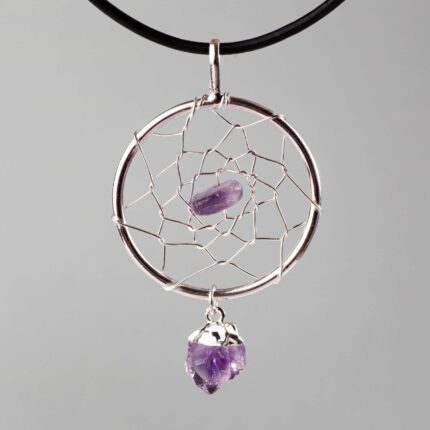
CHF 45 – CHF 64Price range: CHF 45 through CHF 64Amethyst Dreamcatcher Necklace
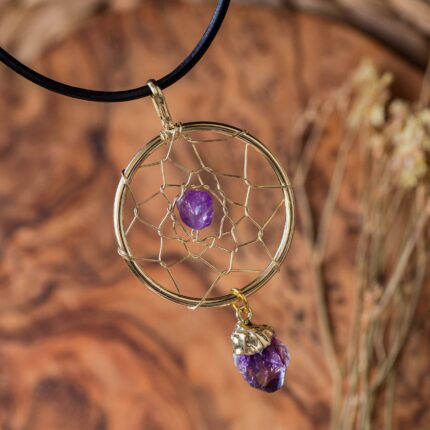
CHF 49 – CHF 68Price range: CHF 49 through CHF 68Golden Amethyst Dreamcatcher Necklace
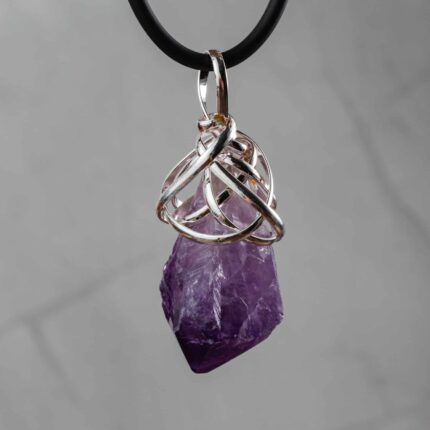
CHF 49 – CHF 68Price range: CHF 49 through CHF 68Raw Amethyst Pendant
CHF 69 – CHF 88Price range: CHF 69 through CHF 88Golden Raw Amethyst Pendant
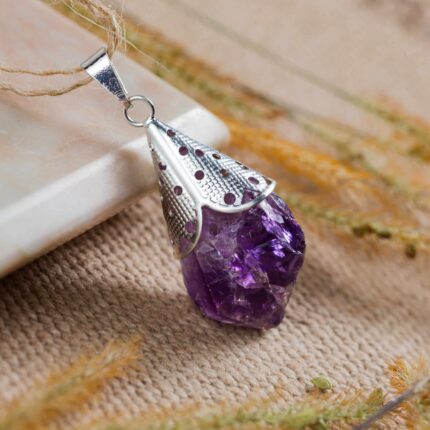
CHF 69 – CHF 88Price range: CHF 69 through CHF 88Amethyst Point Pendant
CHF 49 – CHF 68Price range: CHF 49 through CHF 68Golden Amethyst Point Pendant
CHF 49 – CHF 68Price range: CHF 49 through CHF 68Golden Agate & Amethyst Pendant
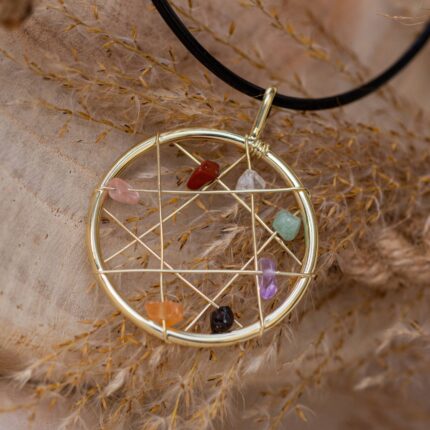
CHF 45 – CHF 64Price range: CHF 45 through CHF 64Multicoloured Stone Pendant
CHF 39 – CHF 58Price range: CHF 39 through CHF 58Golden Multicoloured Stone Pendant
CHF 39 – CHF 58Price range: CHF 39 through CHF 58Discover our other gemstones
Amethyst has captivated people for thousands of years, from the wine cups of ancient Greece to the rings of bishops and the crowns of kings. Below, discover where it comes from, what it symbolises, its crystal healing properties and how to care for it.
Origin and Varieties of Amethyst
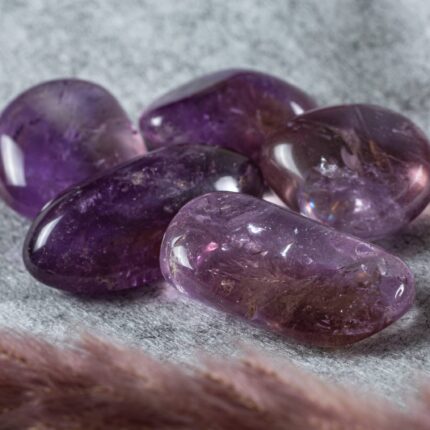
Amethyst is a semi-precious stone belonging to the quartz family. It forms when silicon dioxide crystallises inside cavities in volcanic rock, and owes its characteristic purple colour to traces of iron. Its name comes from the ancient Greek amethystos, meaning ‘not drunk’, as it was once believed to protect against drunkenness. The main deposits are in Brazil, Uruguay, Zambia, Russia, Madagascar and Mexico.
In its raw state, amethyst lines the inside of rock cavities as geodes or druses: rough on the outside, filled with sparkling crystals within. Its colour ranges from pale lilac to deep violet, sometimes with pinkish or bluish undertones.
Where it comes from also plays a big part in its quality and colour. Among the most prized specimens are those from Uruguay, renowned for their deep, luminous purple. There are several varieties of amethyst, each with its own inclusions and appearance: chevron amethyst, lavender amethyst, ametrine, cacoxenite amethyst and more.
History and Symbolism of Amethyst
With its distinctive violet hue, amethyst has inspired beliefs and artists across many cultures. It was once ranked among the precious stones, until the discovery of vast deposits in Brazil in the 19th century made it far more widely available.
Since ancient times, amethyst has been valued for both its beauty and its properties. The oldest known deposits are in Egypt, at Wadi el-Hudi, where inscriptions place the site under the protection of the goddess Hathor.
The Greeks and Romans believed it prevented drunkenness and excess. They carved wine cups from it and wore it as a talisman for a clear mind. The Romans also linked it to military strength and success in trade.
In Christian tradition, amethyst is associated with humility and devotion. The Bible lists it among the stones on the breastplate of the High Priest of Israel and in the foundations of the heavenly Jerusalem. In the Middle Ages, it was seen as a symbol of purity and spirituality, adorning bishops’ vestments and featuring in religious practices. Medieval healers also used it to treat mental disorders and poisoning.
In alchemy, its violet colour gave it a special symbolic place, representing transmutation, purification and the balance between the material and the spiritual. It embodied the union of opposites – the red of sulphur and the blue of mercury – needed to complete the Great Work.
In Renaissance Europe, amethyst symbolised royalty and spirituality. Set into the crowns and jewellery of monarchs, it reflected not only their power but also their wisdom and their connection to the divine. For centuries, it also remained the traditional stone of bishops’ rings.
Today, amethyst is still prized for its beauty and symbolism. It is used in jewellery, works of art and crystal healing, where it is believed to soothe the mind, promote sleep and improve concentration.
Crystal Healing Properties of Amethyst
Amethyst is valued for its therapeutic properties and widely used in crystal healing for its effects on emotional, physical and spiritual balance.
Emotional Balance
-
Relief from Stress and Anxiety: Amethyst is often used to calm troubling emotions, reduce stress and ease anxiety. By encouraging deep relaxation, it helps you manage emotional tension and restore your inner balance – especially helpful during high-pressure periods.
-
Inner Healing: Known for promoting emotional harmony, it is said to help you move past old emotional wounds. By releasing negative energies, it supports inner healing and offers comfort in times of grief, sorrow or confusion, bringing back clarity, stability and peace.
Physical Wellbeing
-
Better Sleep: Amethyst is used to encourage restful sleep. Place a piece under your pillow or by your bed to improve the quality of your sleep, help with insomnia and keep nightmares at bay.
-
Headaches: By easing mental and emotional tension, it is said to help relax the neck and upper back, which can soothe tension headaches.
Spiritual Harmony
-
Mental Clarity and Intuition: Renowned for bringing mental clarity and helping with decision-making, amethyst is also considered a stone of intuition, giving you a better understanding of yourself and the situations you face. It is said to be particularly helpful for concentration and meditation, allowing you to reach deeper states of consciousness.
-
Energetic Protection and Calm: Amethyst can also act as a shield against negative energies. It brings a sense of calm and inner peace, helps to balance the emotions and supports spiritual and emotional healing by quietening troubling thoughts.
Amethyst and the Chakras
| Crown Chakra (Sahasrara) | Amethyst is particularly beneficial for the crown chakra, at the top of the head. Linked to spirituality, wisdom and our connection with the universe, this chakra governs spiritual elevation and meditation. Amethyst helps to open the mind to higher consciousness and spiritual guidance. |
| Third Eye Chakra (Ajna) | Amethyst is also associated with the third eye chakra, between the eyebrows, which governs intuition, inner vision and mental clarity. Working with this chakra, it strengthens intuition, sharpens perception and supports meditative states. It is also used to develop clairvoyance and a connection with the subtle realms. |
Which Stones Go Well with Amethyst?
Combining stones is a lovely way to amplify their properties and work on a deeper level. To make the most of their energies, choose crystals that complement one another. Here are a few of our favourite pairings for amethyst.
-
Amethyst & Rose Quartz: A perfect pairing for unconditional love and emotional harmony. Rose quartz is linked to the heart chakra and love, while amethyst brings clarity and spiritual protection. Together, they balance emotions and spirituality and help to open the heart.
-
Amethyst & Agate: Agate is a stone of grounding and balance that steadies the emotions and brings a sense of security, anchoring spiritual energies in everyday reality. A helpful pairing if you want to keep your spiritual growth grounded.
-
Amethyst & Citrine: Citrine brings joy, creativity and abundance, creating the perfect synergy between emotional balance and positive energy. Together, they encourage optimism, protect against negative energies and create a space for healing and prosperity. Ametrine naturally combines both stones.
-
Amethyst & Aquamarine: Aquamarine soothes the emotions and encourages self-expression. Together, they sharpen mental clarity and help you express yourself calmly and thoughtfully, releasing emotional tension through open, harmonious communication.
-
Amethyst & Lapis Lazuli: Lapis lazuli is associated with wisdom, clairvoyance and the third eye chakra. This pairing heightens intuition and receptivity, helping you uncover deeper truths, and brings mental clarity and spiritual understanding.
Caring for and Using Amethyst
Cleansing and Recharging
Cleansing and recharging your amethyst regularly helps it keep its energy.
Cleansing: Gently rinse it under a trickle of cold water and leave it to air-dry. For a deeper cleanse, place it on a bed of salt for several hours, or overnight.
Recharging: Amethyst is best recharged in moonlight, ideally when the moon is waxing or full. You can also place it on a Flower of Life or a quartz cluster. Avoid direct sunlight, which can make its colour fade.
Care
Cleaning: Clean your jewellery and crystals with lukewarm water and a mild soap, using a soft brush to gently remove dust, especially from geodes. Avoid harsh chemicals, which can damage the stone.
Knocks and scratches: Although fairly hard-wearing, amethyst can be scratched or chipped by harder objects. Store your jewellery separately and protect it from hard knocks.
Light and heat: Amethyst is sensitive to light and heat: prolonged exposure to strong sunlight can dull its colour and lustre. Keep it out of direct light when you’re not wearing it.
How to Use Amethyst
Meditation: Amethyst is ideal for meditation, as it clears the mind, calms the thoughts and stimulates intuition. Hold it in your hands or place it on your third eye during your sessions to deepen your practice and reach a state of deep relaxation.
Cleansing other crystals: Amethyst geodes and druses can be used to cleanse and recharge your other crystals – simply place them on top overnight.
As jewellery: Amethyst jewellery is easy to wear with all kinds of styles and complements many colours. Faceted stones catch the light beautifully, making them a particularly elegant choice for dressier outfits.
Decoration: Displayed as a geode, druse or polished stone, amethyst brings a soothing energy to your home, creating a calm, harmonious space that’s perfect for relaxing and recharging.
Feng Shui and wellbeing: In Feng Shui, amethyst is often placed in meditation or rest areas to encourage peace and spirituality. Keep it by your bed for better sleep, or on your desk to boost concentration and protect against negative energies.
Mineralogy and Composition of Amethyst
Amethyst is a macrocrystalline variety of quartz, recognisable by its violet colour, which comes from traces of iron combined with natural irradiation as it formed. Like all quartz, it belongs to the silicate group and has a hexagonal crystal structure. It is mainly made of silicon dioxide (SiO₂), which gives it its hardness and durability.
| Group / family | Quartz |
| Subgroup | Macrocrystalline quartz |
| Chemical class | Silicate |
| Subclass | Tectosilicate |
| Chemical formula | SiO₂ |
Formation
Amethyst forms in cavities in volcanic rock (geodes) or in silica-rich hydrothermal veins. As it grows, iron ions (Fe³⁺) are incorporated into the crystal structure; natural ionising radiation then transforms them, producing the violet colour. Its shade depends on the amount of iron and the intensity of the radiation. Amethyst usually grows as pointed crystals inside geodes, often alongside other forms of quartz such as rock crystal, smoky quartz or agate.
| Main component | Silicon dioxide (SiO₂): Like quartz, amethyst is mainly composed of silicon dioxide, which gives it its hardness and durability. |
| Impurities and inclusions | Iron (Fe³⁺): The source of the characteristic violet colour. |
| Manganese (Mn): May influence the intensity of the violet colour. | |
| Natural irradiation: Transforms the iron ions to create the violet colour. |
Physical Properties of Amethyst
| Hardness and Durability | Mohs scale: 7, so amethyst resists scratching from most materials but can be damaged by a hard impact.
Impact resistance: Moderate; it may chip if struck with force. |
| Refraction of Light | Refractive index: Its refractive index ranges from 1.544 to 1.553, which affects how light passes through the stone and contributes to its brilliance. |
| Birefringence: Amethyst has low birefringence (0.009 to 0.010), meaning it splits light only slightly as it passes through. | |
| Density | Specific gravity: Approximately 2.65, the same as quartz – which is why it feels pleasantly weighty in the hand. |
Transparency and Appearance
Transparency: Transparent to translucent.
Colours and patterns: From pale lilac to deep purple, sometimes with red or blue tints. Some specimens show bands of agate or quartz.
Amethyst FAQs
👉 How much does natural amethyst cost?
Amethyst is a relatively common semi-precious stone, and prices vary with its quality, colour and cut or polish. A small tumbled stone (1–3 cm) costs just a few francs, while a pendant with a cut stone set in silver or gold can cost up to around a hundred francs. Geodes are usually priced by weight and quality and can be worth several thousand francs – expect to pay around 500 francs for a 4 kg raw geode. As a rule, the deeper the colour and the clearer the stone (free of inclusions), the higher the price.
👉 What is the meaning of amethyst?
Known as the stone of wisdom, amethyst is prized for its soothing, spiritual energy. Emotionally, it brings serenity, reduces stress and helps to balance the emotions. Physically, it is said to improve sleep, relieve headaches and relax the muscles. In crystal healing, it is linked to the crown chakra, strengthening intuition, meditation and spiritual connection. Its purifying energy protects against negativity and brings mental clarity, while its violet colour calms the mind – an ideal stone for restoring calm and balance to everyday life.
👉 Which chakra is associated with amethyst?
Amethyst is mainly associated with the crown chakra (Sahasrara), at the top of the head, which is linked to spirituality, connection with the divine and higher consciousness. By harmonising this chakra, it encourages meditation, intuition and open-mindedness, calming the mind, dispelling negative thoughts and bringing inner peace. It is also linked to the third eye chakra (Ajna), enhancing mental clarity, concentration and intuition – ideal if you want to deepen your spiritual practice or personal growth.
👉 How do you cleanse and recharge amethyst?
To make the most of amethyst’s energy, cleanse and recharge it regularly. To cleanse it, rinse it under cold water for a few minutes or leave it on a bed of salt for several hours (overnight, for example) to clear any accumulated energy. To recharge it, place it in moonlight while the moon is waxing – the full moon is the best time of all. You can also use a selenite Flower of Life or a quartz cluster. Avoid direct sunlight, which can fade its colour.
👉 Is amethyst sensitive to light or heat?
Yes. If you’d like to display a druse or geode at home, choose a spot out of direct sunlight! Prolonged sun exposure can fade its purple colour, leaving it paler or even almost colourless, and excessive heat can alter its crystal structure. To preserve its colour and appearance, keep amethyst away from heat sources and store it in a cool, shaded place or a protective box when you’re not using it.
👉 Why does amethyst change colour?
Amethyst can change colour after prolonged exposure to sunlight, heat or certain chemical treatments. Its purple colour comes from traces of iron in its crystal structure, transformed by natural irradiation as it formed. Intense UV light or heat can reverse this process, causing the colour to fade or shift. Strongly heated amethyst, for example, turns yellow or brown and can look very similar to citrine. To prevent this, keep your stone out of direct sunlight and away from high temperatures.
👉 Which star signs are associated with amethyst?
Amethyst is particularly associated with Aquarius, Pisces and Sagittarius. For Aquarians, it heightens intuition, sharpens the mind and helps channel creative energy while reducing stress. Sensitive, spiritual Pisces find in amethyst a stone that strengthens their inner connection and emotional balance and soothes their worries. For Sagittarians, it helps to calm their often impulsive nature, bringing greater focus and serenity. More broadly, as a stone of wisdom, amethyst suits any sign seeking spiritual depth.
👉 Where is amethyst found?
Amethyst is found all over the world, mainly in regions rich in quartz. Brazil is the largest source and leading exporter, with vast deposits in Minas Gerais and Rio Grande do Sul. Uruguayan amethyst is especially prized for its deep purple colour, and Zambia produces specimens with rich, intense hues. In Europe, deposits exist in France (notably the Auvergne), Germany and Russia (particularly Siberia), while in the United States, notable sources are found in Arizona and North Carolina. Amethyst forms best in volcanic cavities or silica-rich hydrothermal veins, where its violet crystals can grow.